
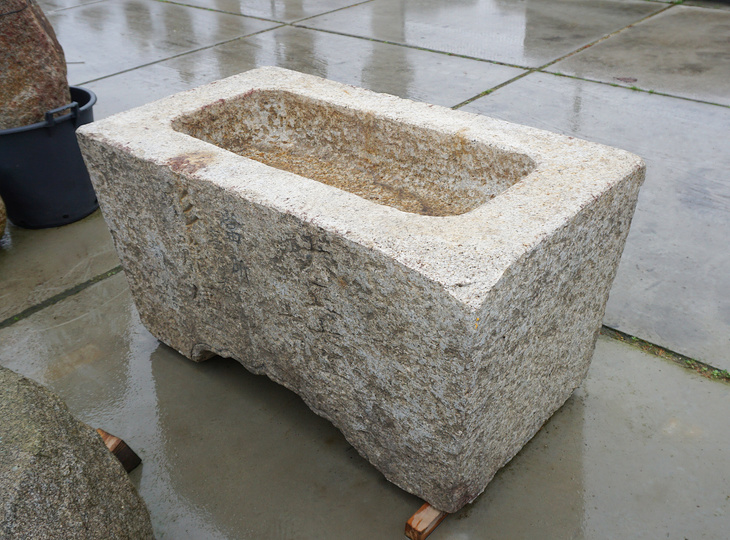
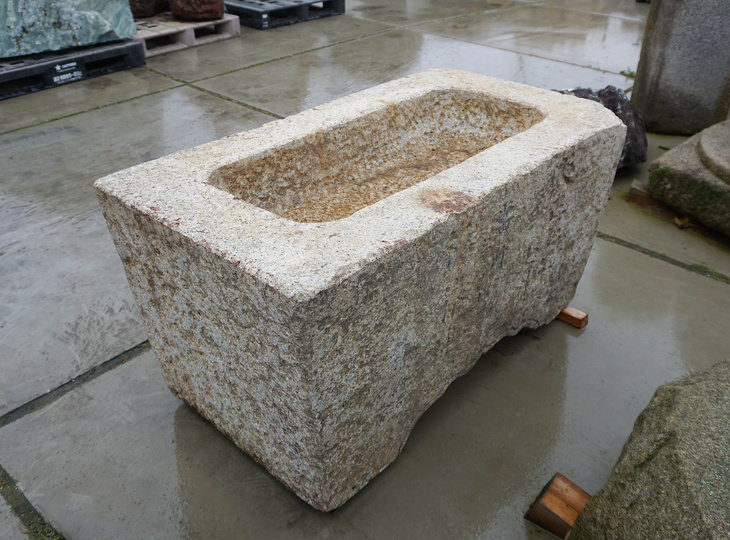
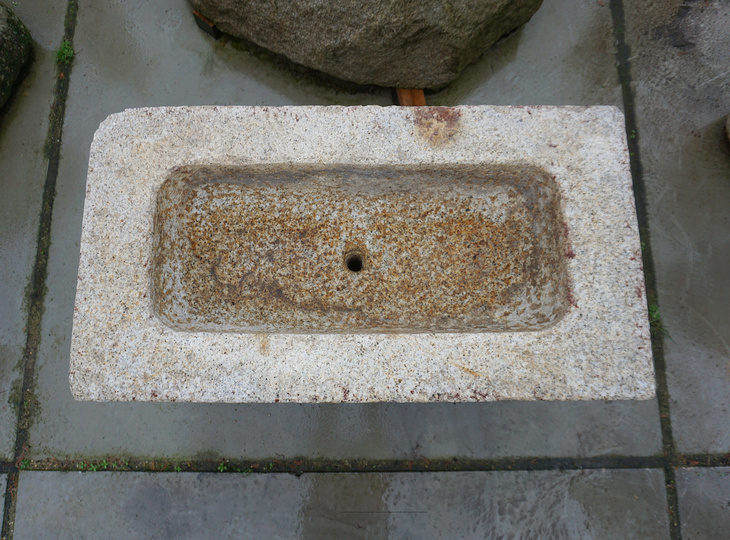
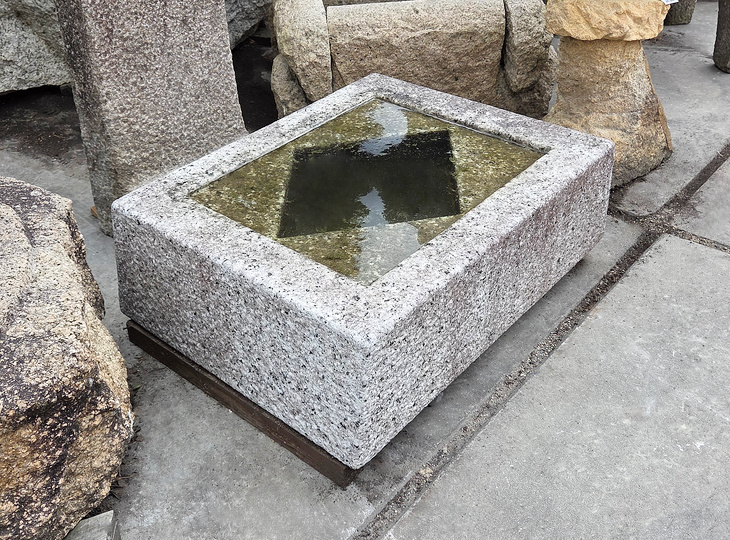
Temizuya Chozubachi, Japanese Chozuya Water Ornament
Uitverkocht
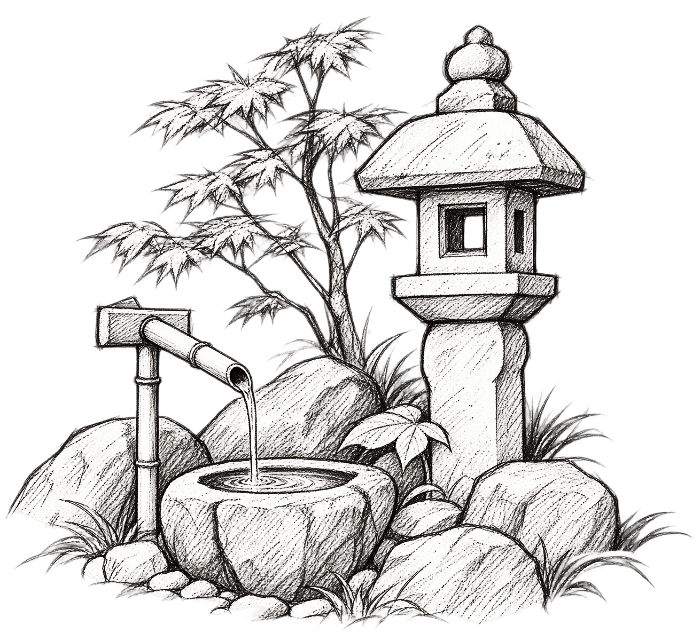
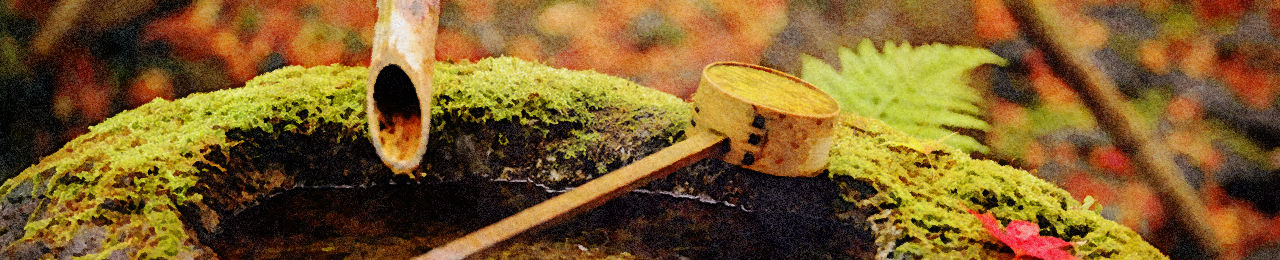
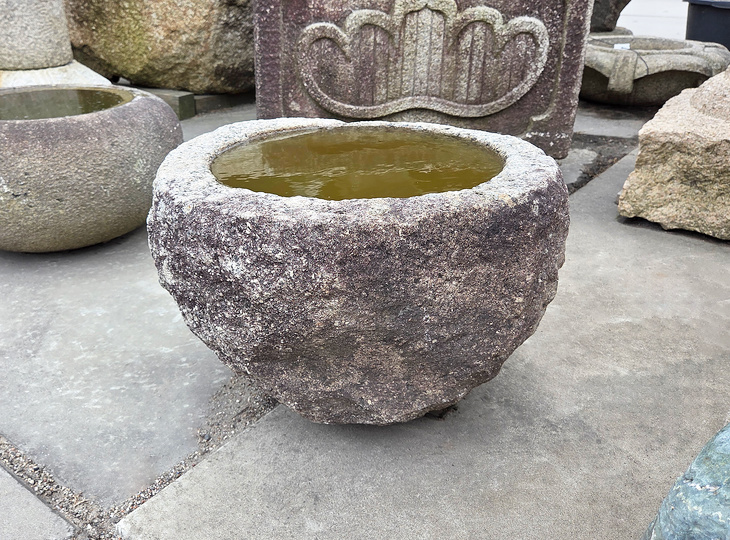
A Chōzubachi (手水鉢) is a water basin commonly found in traditional Japanese gardens. It is used for the ritual washing of hands and rinsing of the mouth before a person may participate in the tea ceremony or enter sacred ground.
Specifications
- OriginNagoya, Aichi Prefecture, Japan
- MaterialHirukawa stone
- AgeTaishō period (1912–1926) (July 1918)
- Dimensions60 x 110 x 60 cm
Product information
A Chōzubachi (手水鉢) is a water ornament that is common in traditional Japanese gardens. It is used for ritual hand washing and cleaning the mouth before a person is allowed to participate in the tea ceremony or enter sacred grounds. The word Chōzubachi literally means "water bowl for the hands.".
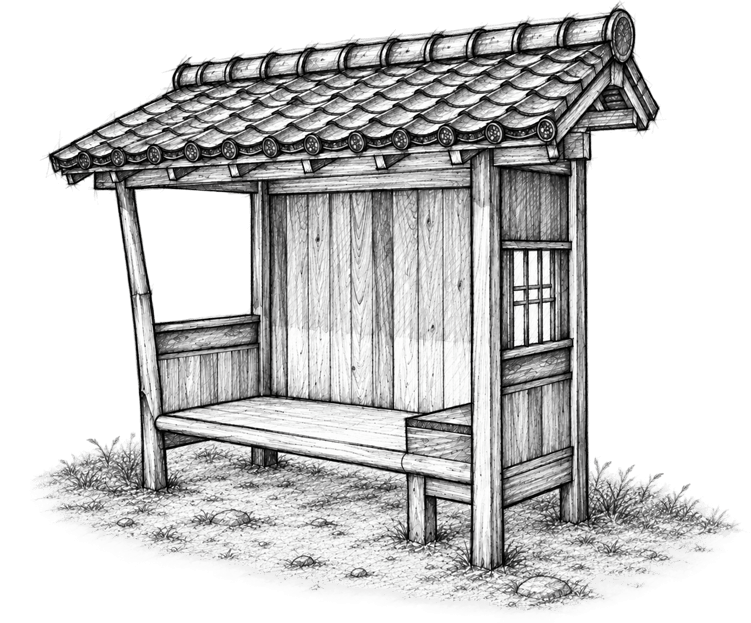
A Temizuya (手水舎), also known as Chōzuya, is a small pavilion located near the entrance of a Japanese shrine, such as a Shinto shrine or Buddhist temple. Temizuya can be translated as the hut with water for the hands. This perfectly describes its function. There is, in fact, a relatively large Chōzubachi where several people can use it simultaneously. The ritual washing of hands and cleaning of the mouth at a Temizuya is an important part of a respectful attitude towards the Japanese shrine that you wish to enter.
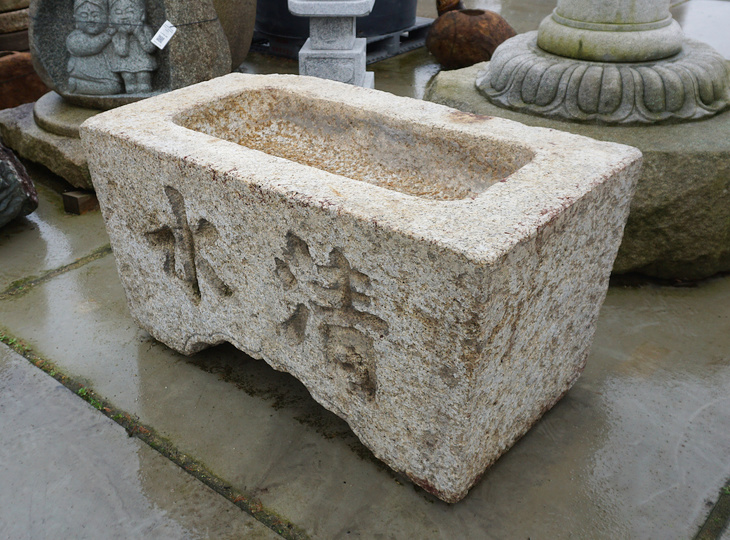
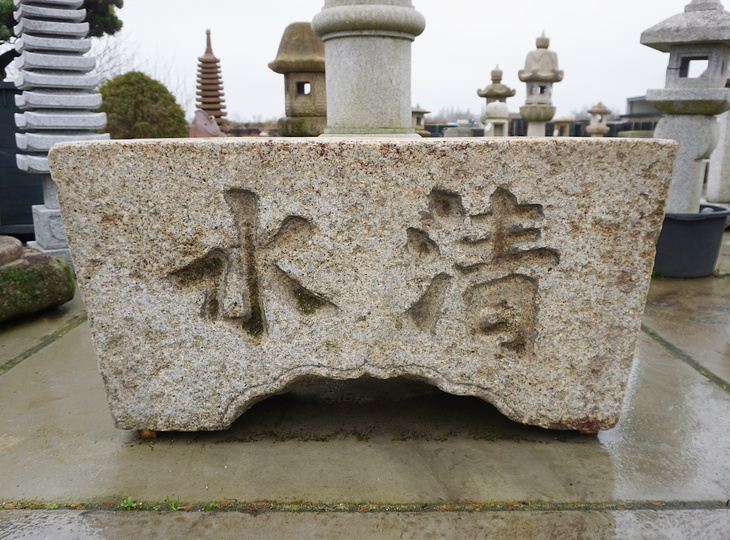
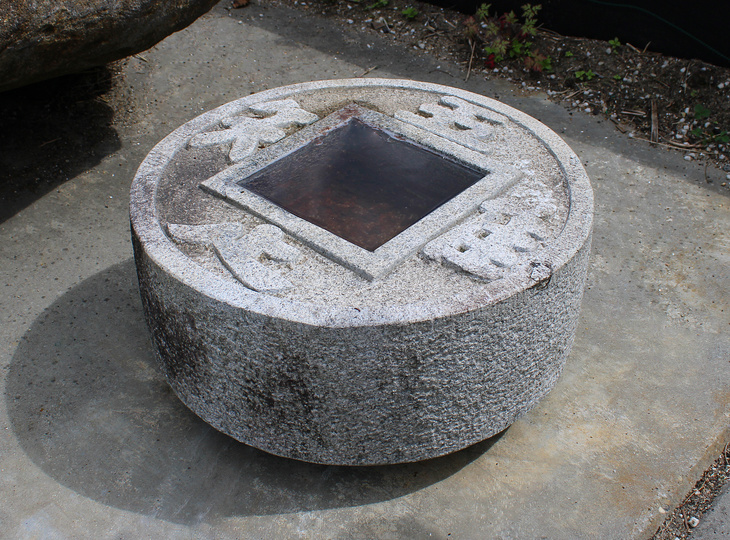
On the front are two characters that are read as Suisei (水清). This means clear water in Japanese.
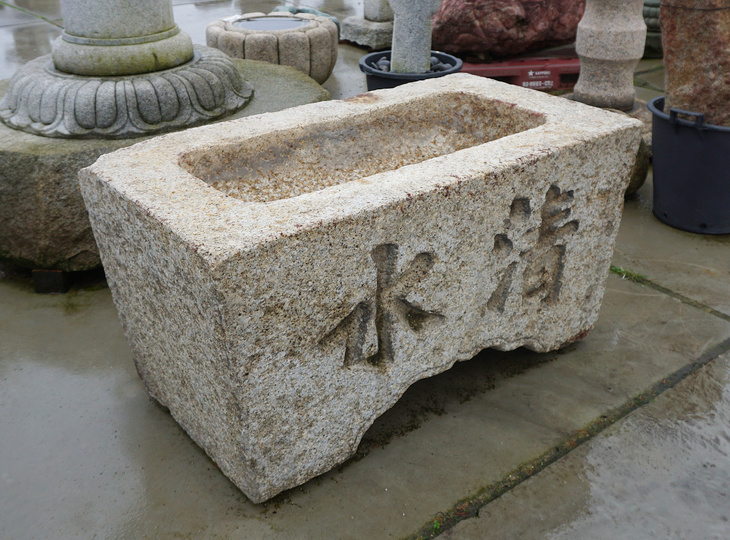
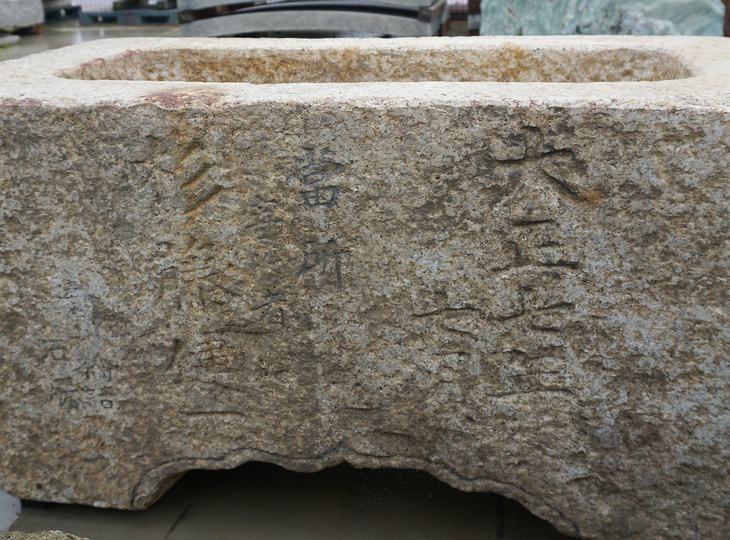
This specific Temizuya Chōzubachi has engraved text on the back. The text section on the right confirms the age with the date of engraving in the traditional Japanese calendar. Taishō year seven, month seven (大正七年七月). This is the same as July 1918. The left section text refers to the origin of the Chōzubachi but some characters have become illegible over the years.
 Nederlands
 English
 Deutsch (Sie)
 Français
 Español
 Polski
 Čeština
 Italiano