



Traditional Japanese woodwork and custom authentic architecture
For individuals and businesses
Japanese woodwork demands more than technical craftsmanship. Proportions, wood type, grain direction, and joinery techniques together determine the appearance and durability of the end result. That is why we design every element based on the place where it will stand and the function it will serve.
At Yokoso, design and execution remain in one hand. Our designers and craftsmen carefully coordinate aesthetics, construction, and material selection. This creates custom work that is technically sound, exudes tranquility, and naturally becomes part of the garden or outdoor space.
Our Japanese wooden structures
Everything is possible with the specialists of Yokoso
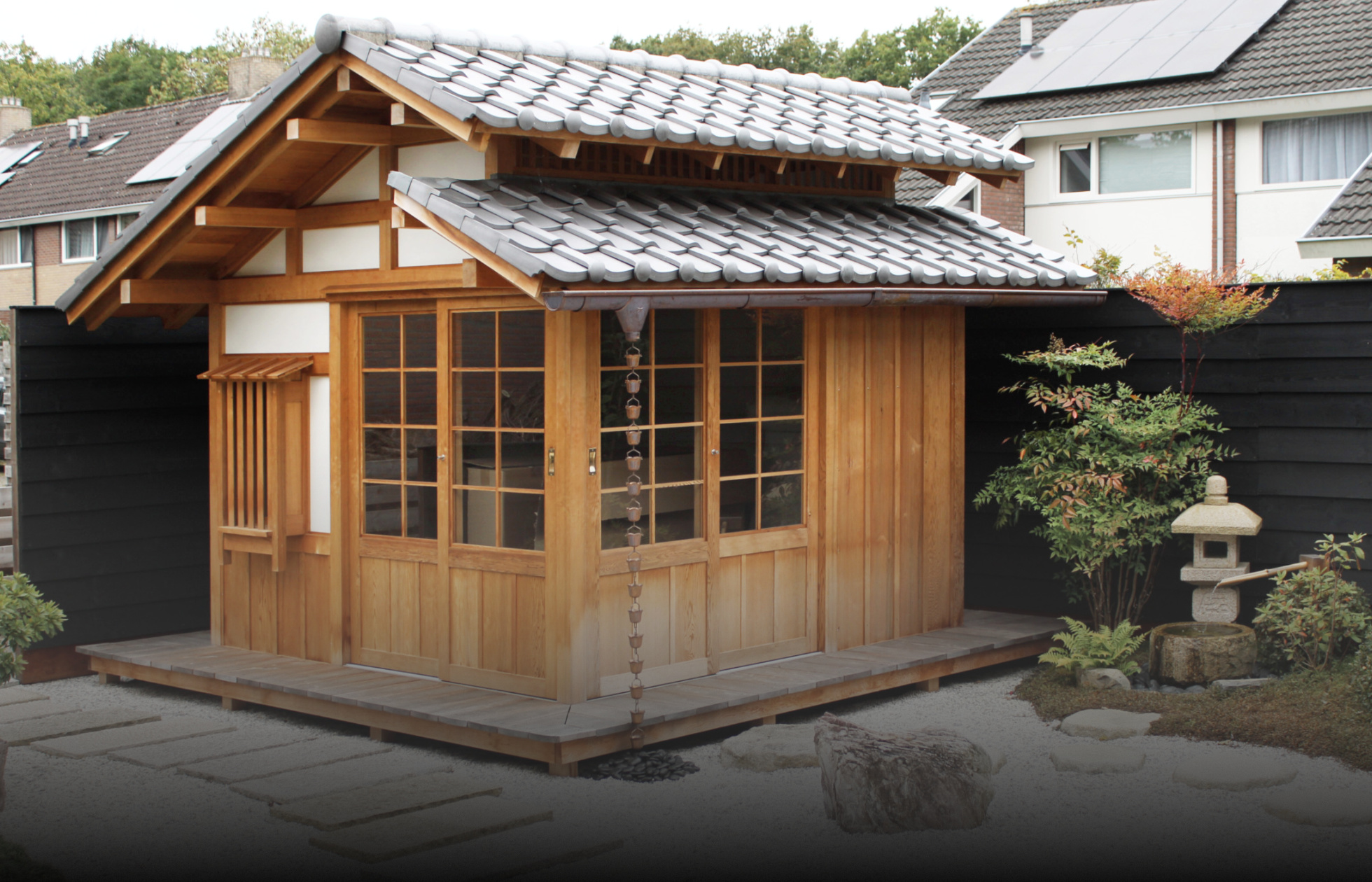
The ultimate place of peace surrounded by exquisite Japanese aesthetics.
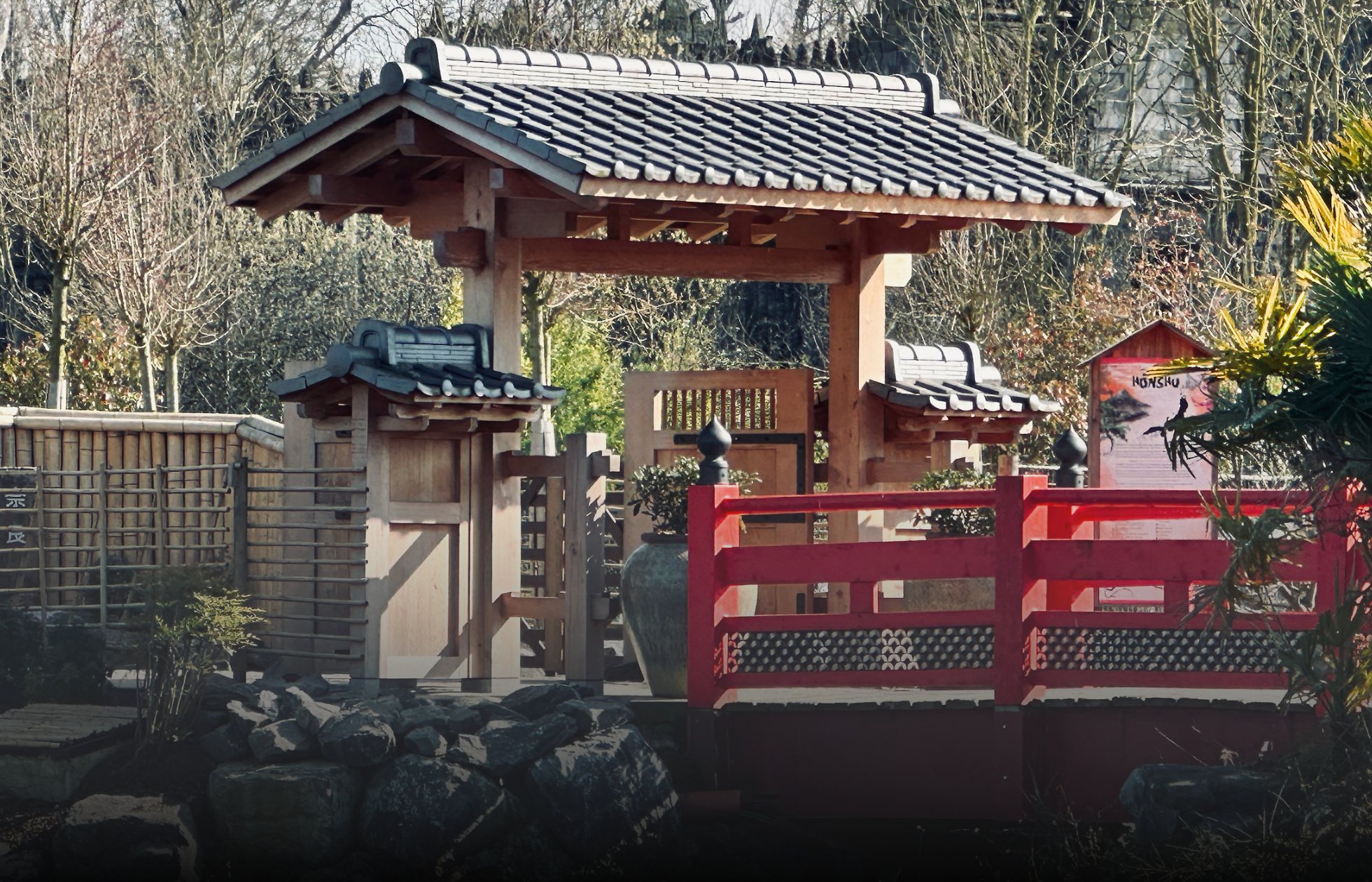
An authentic Japanese entrance with an enchanting character.
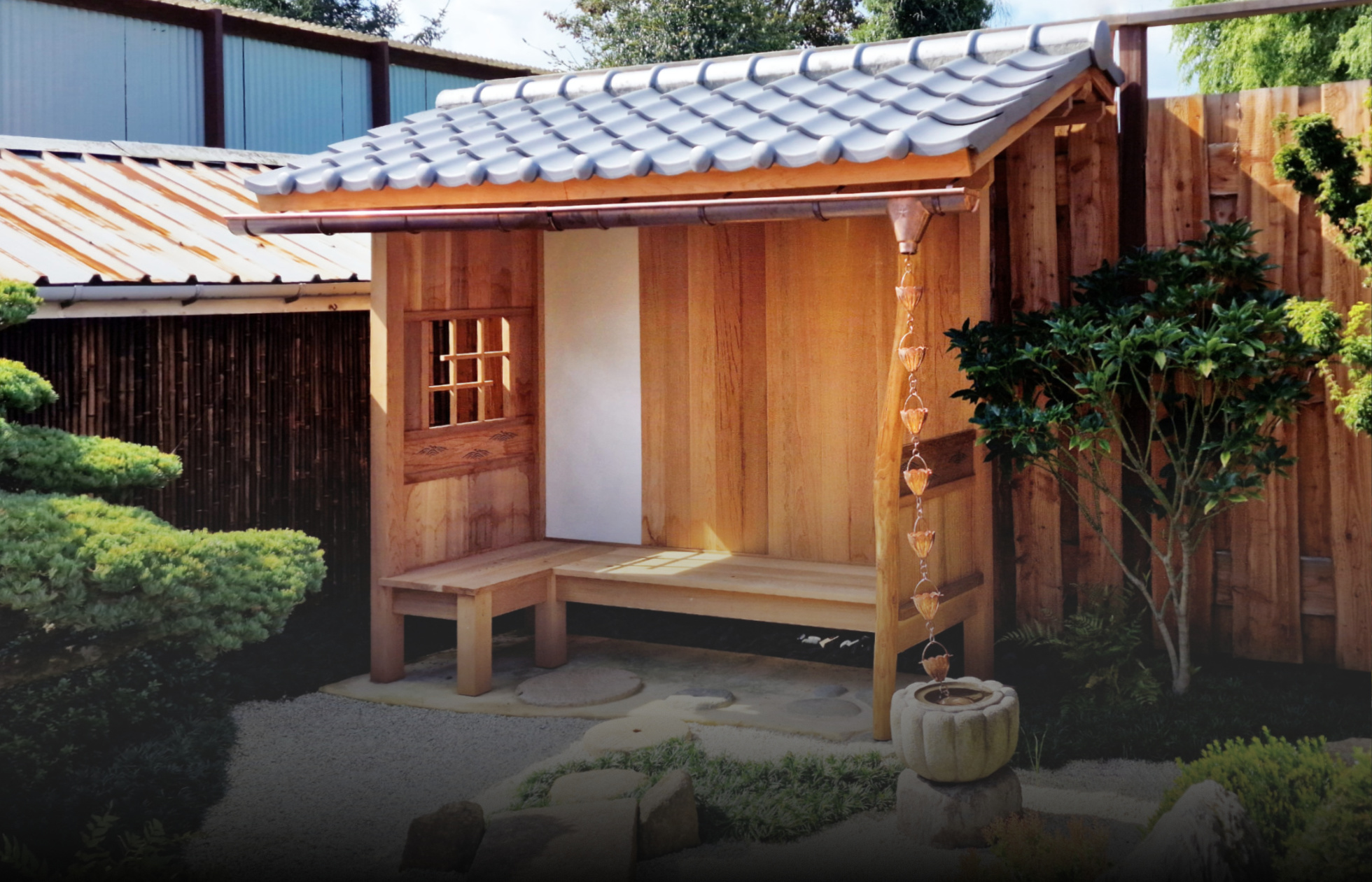
An iconic part of traditional Japanese tea culture.
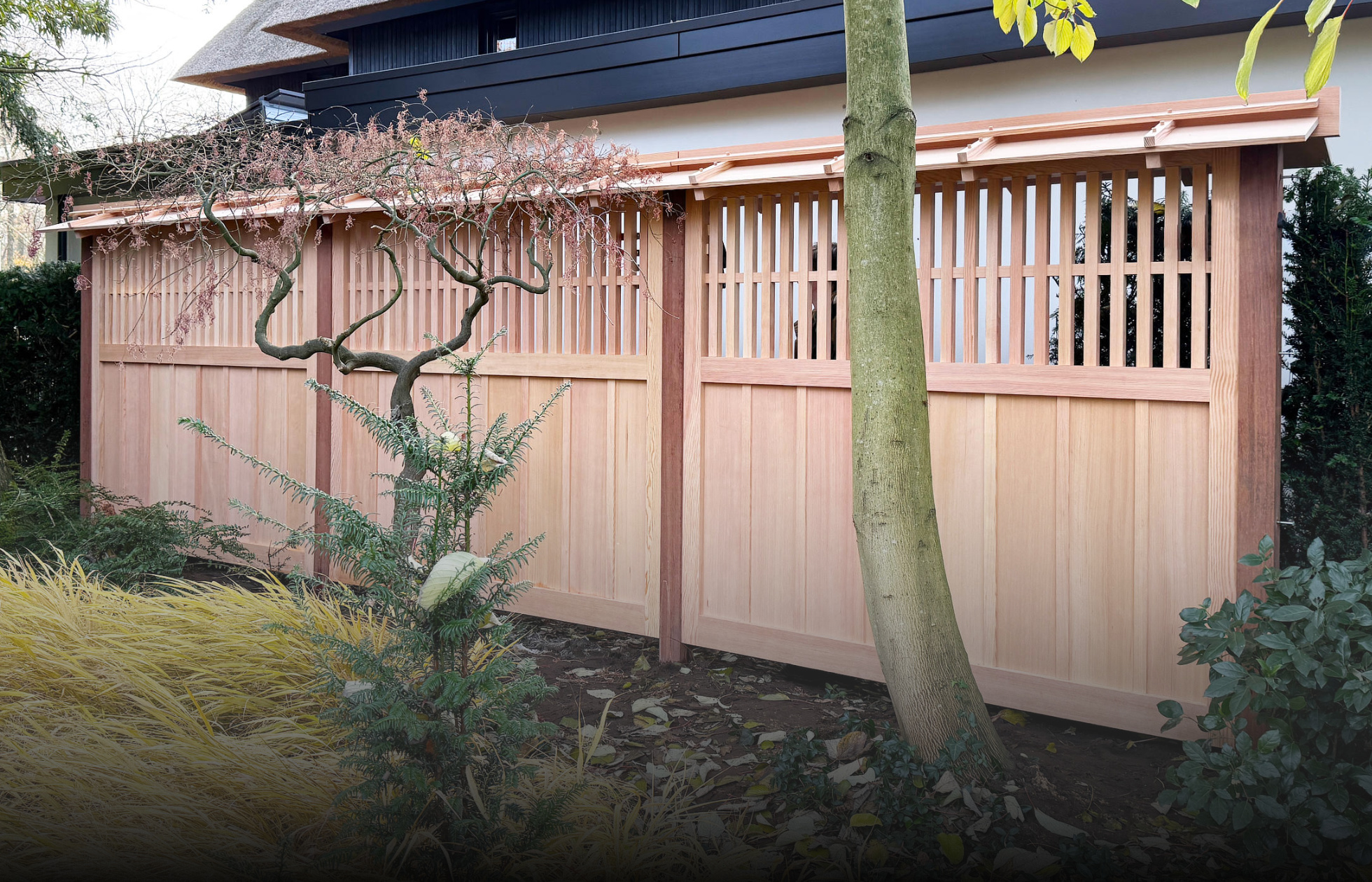
The harmonious background of the Japanese landscape.
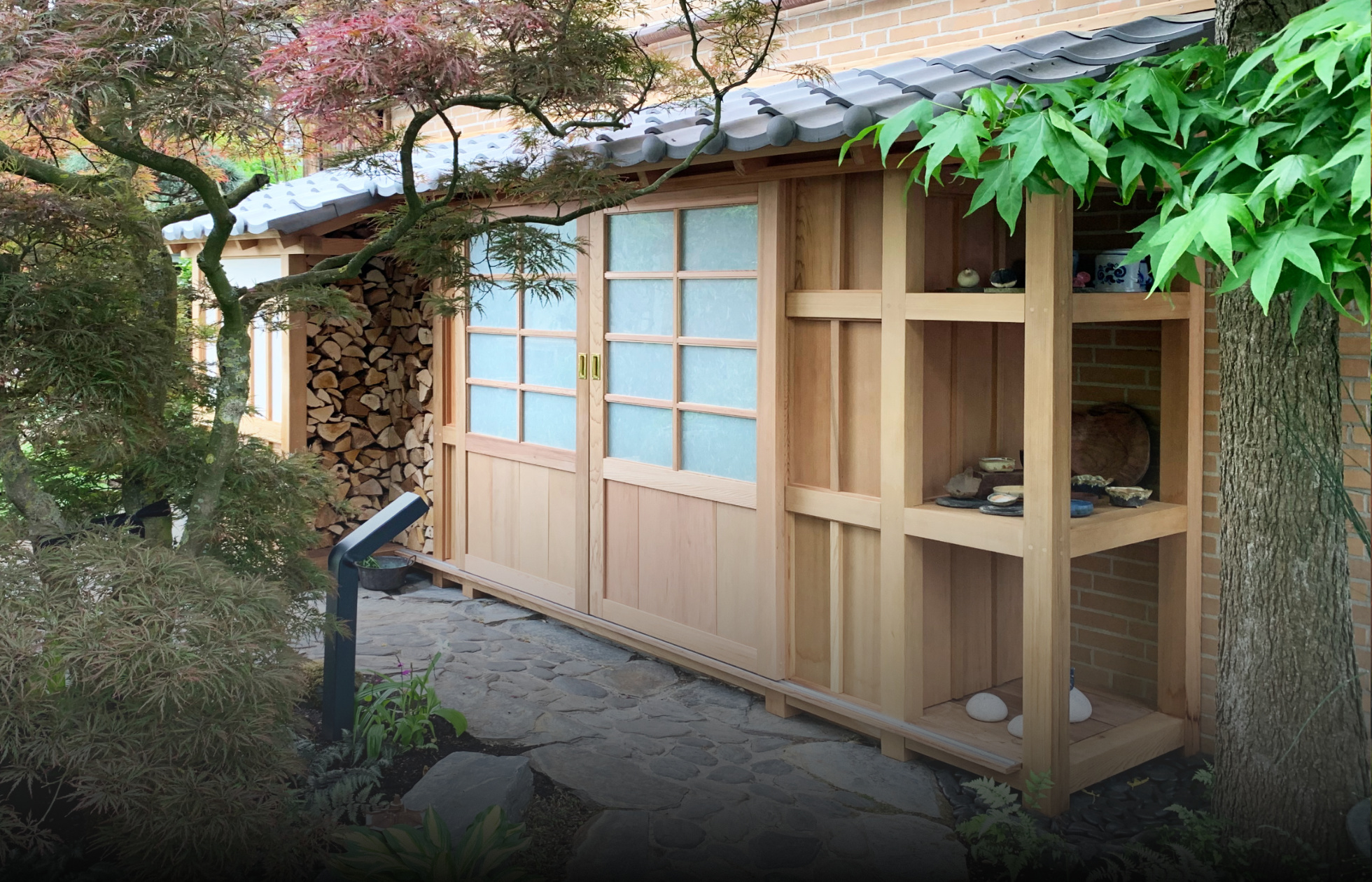
Where practical functionality and high-quality craftsmanship come together.
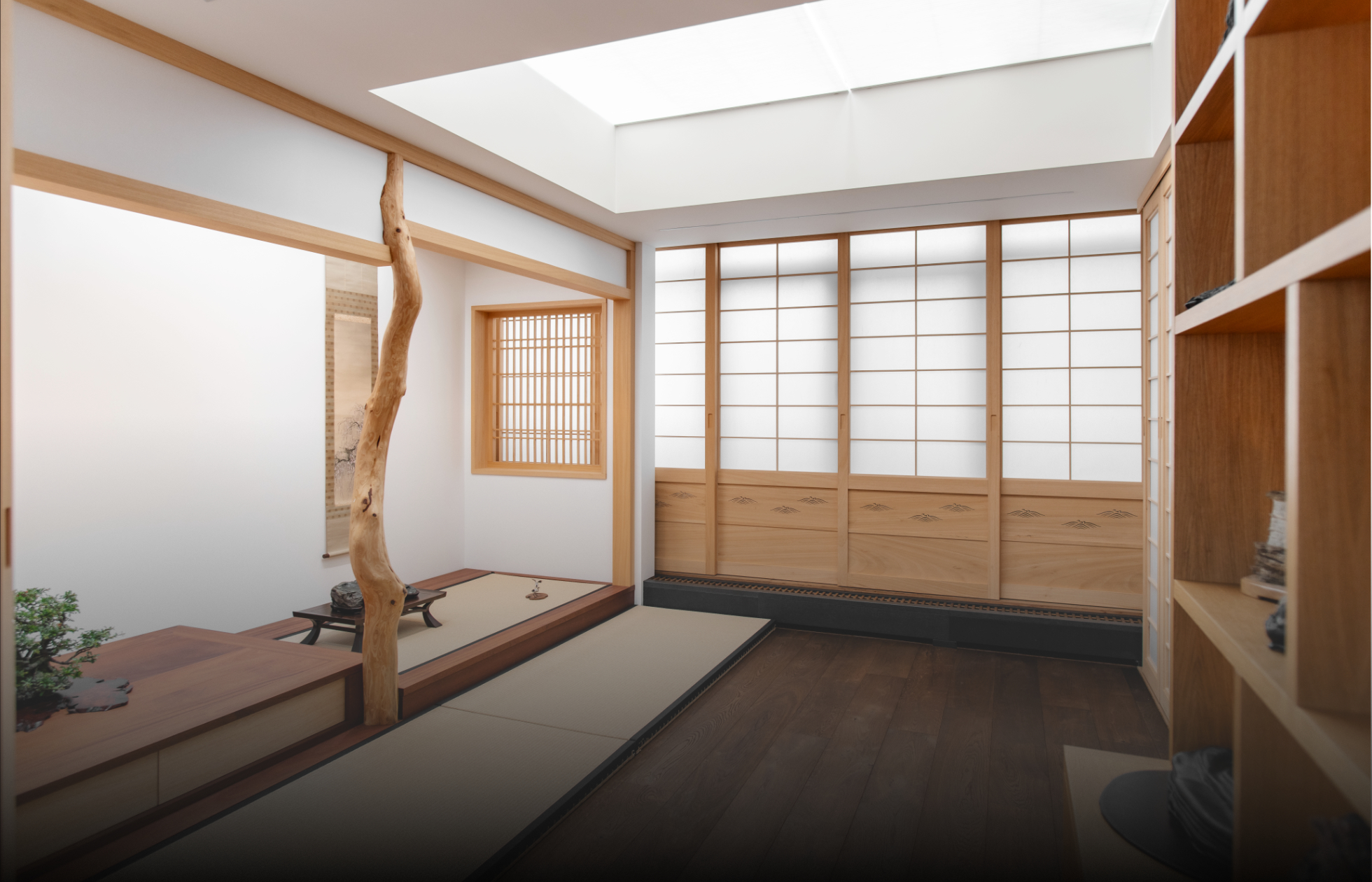
Authentic Japanese interior design and realization by our Sukiyado team.
Philosophy & Craftsmanship
What makes Japanese woodwork so unique
Beauty in centuries-old aesthetics
In Japanese woodwork, beauty does not start with decoration, but with understanding the material. Every type of wood has its own grain, hardness, color, and way of aging. A good woodworker does not try to hide those characteristics, but rather makes them visible. Therefore, it is carefully determined how a beam is cut, which side is exposed to view, and how the wood relates to the light, the vegetation, and the space surrounding it.
This approach is closely linked to Japanese principles such as simplicity, balance, and wabi-sabithe appreciation for natural forms, modesty, and the character that materials develop over the years. A gate, bridge, or canopy therefore does not need to be overtly present. The woodwork thus becomes part of the garden and gains more depth with each season.
High-quality traditional techniques
In traditional Japanese woodwork, also known as traditional Japanese temple and shrine carpenterconstruction, aesthetics and construction come together. Joints such as mortise and tenon, dovetails and wooden dowels are designed in such a way that they distribute forces in a natural way, often without metal. In addition, knowledge of wood behavior is essential: every joint takes grain direction, movement and load into account.
Wood is, after all, always alive. It expands with moisture, shrinks in dry conditions, and reacts to temperature changes. A good design accommodates that movement rather than blocking it. In this way, the construction remains sturdy and durable while the wood retains its natural character. In that combination of precision, material knowledge, and understated design, the essence of Japanese woodwork is expressed.
Transformation
Before & after
See how we bring our designs of your ideal Japanese woodwork to life down to the smallest detail.
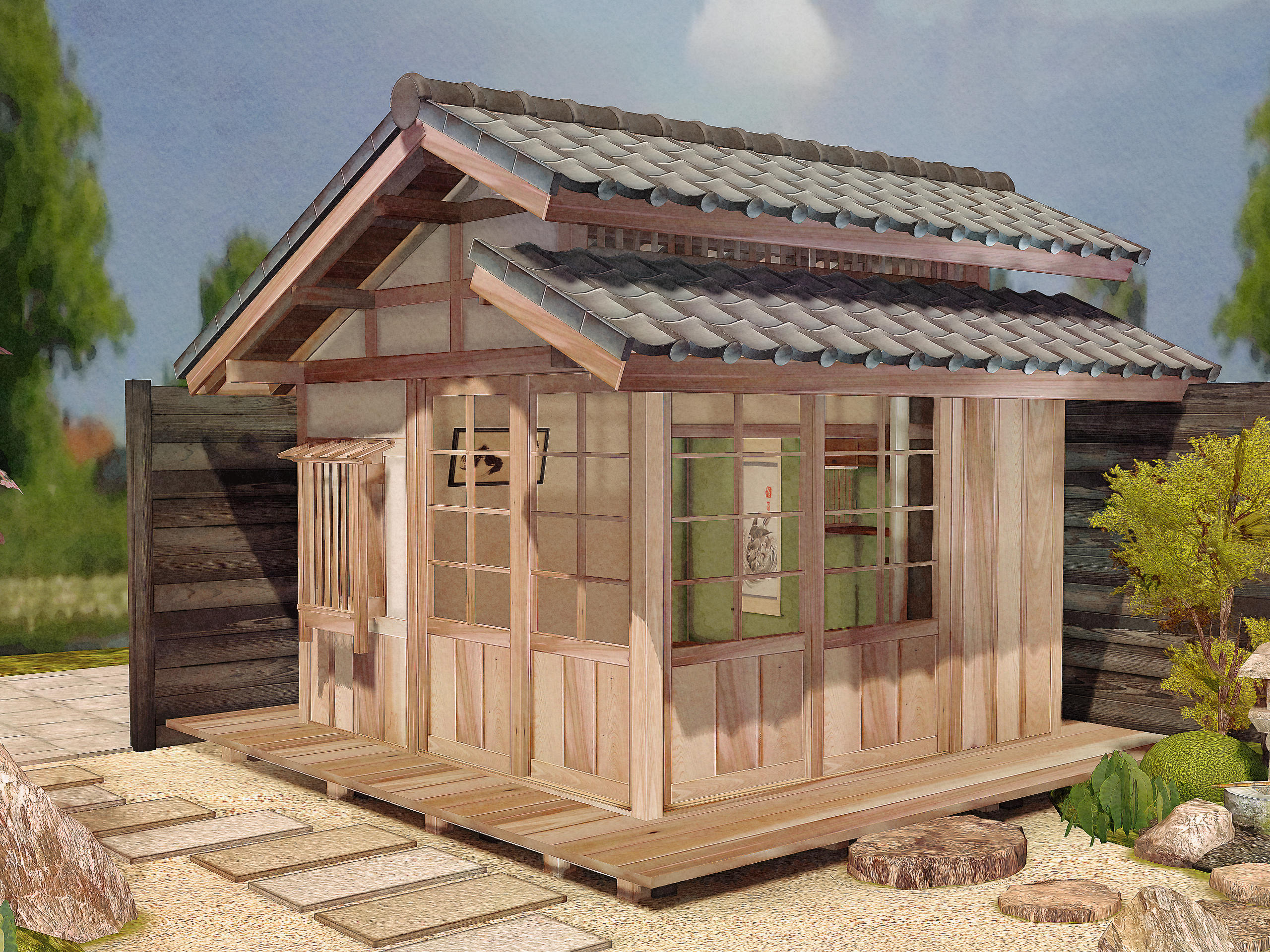
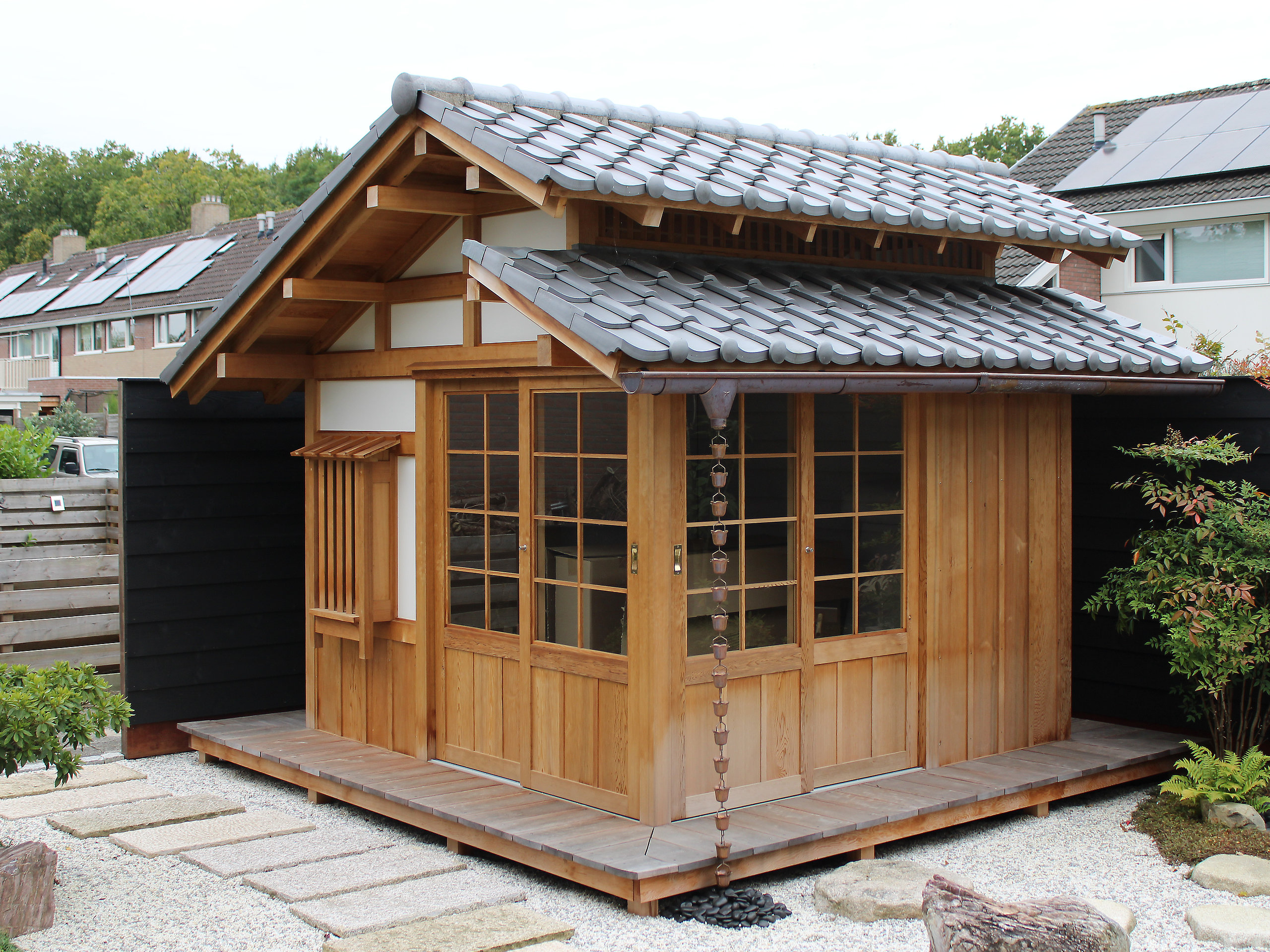
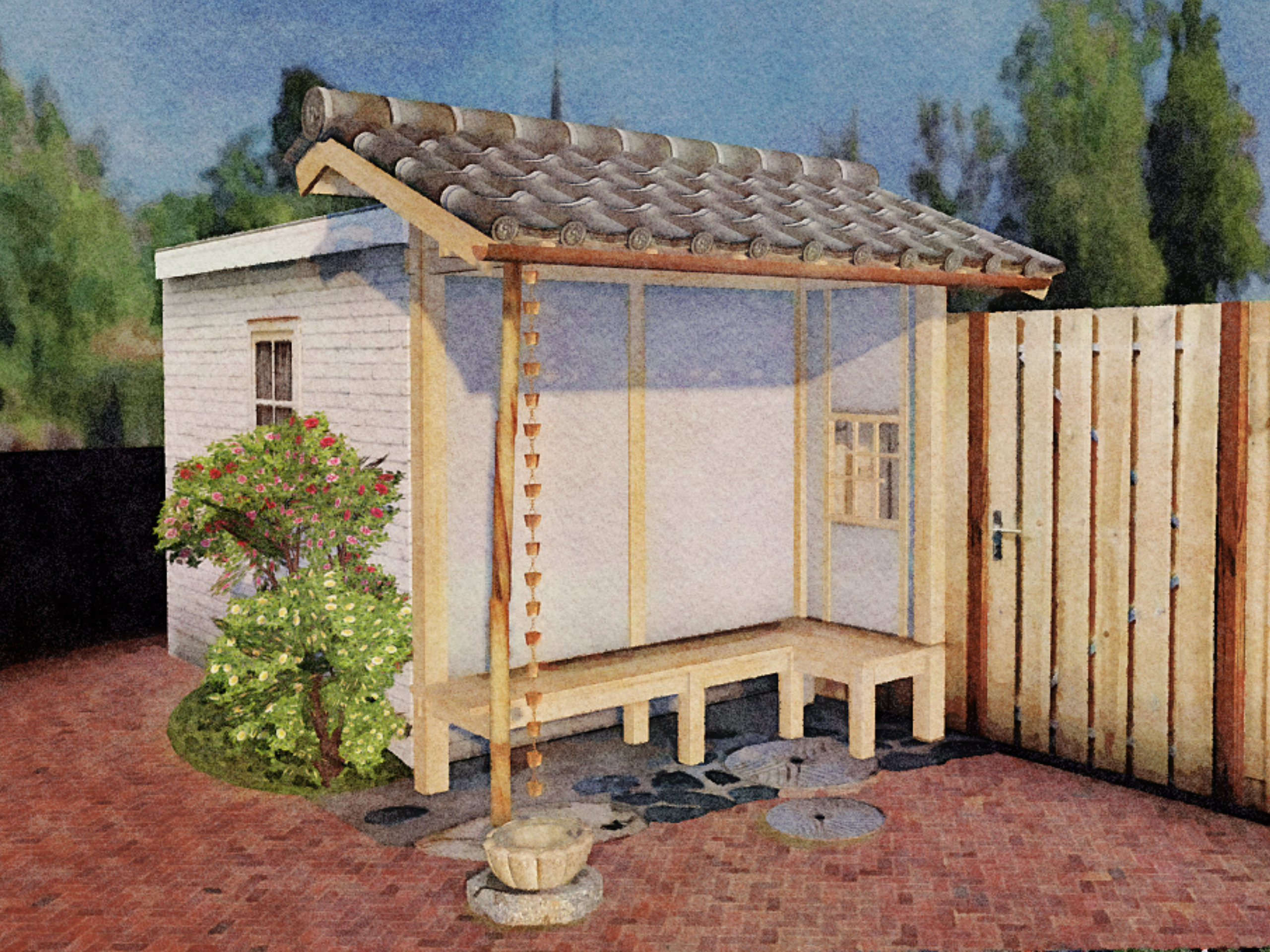
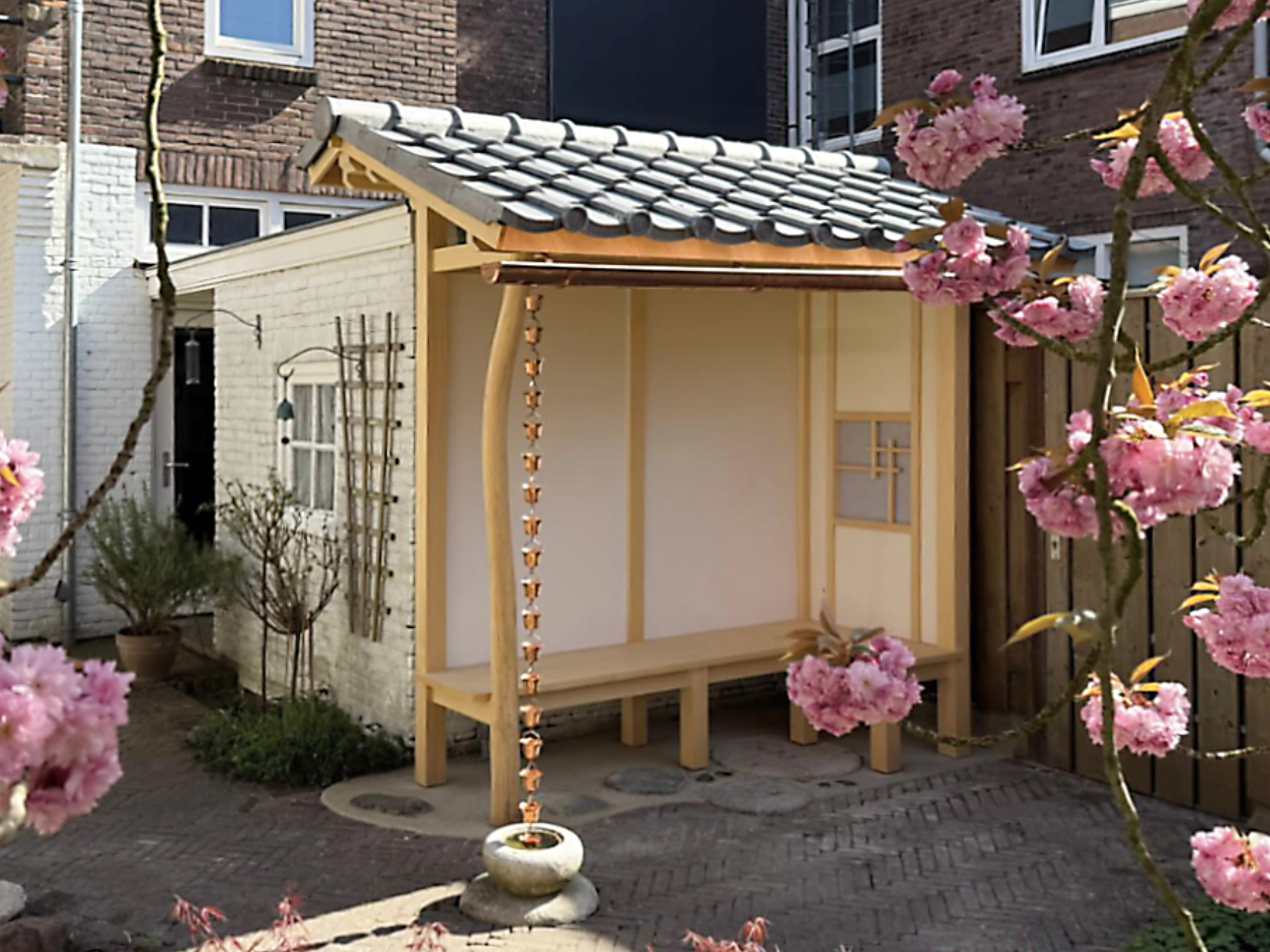
Our work
Completed Japanese Woodworking Projects
A selection of Japanese woodwork, completely designed and created by our own Yokoso team.
Curious about the possibilities of traditional Japanese woodwork?
Materials & assortment
The look and feel of our Japanese woodwork
For every design, we look at the function, the surroundings, and the desired appearance. In this way, we create Japanese woodwork that is carefully constructed, beautifully proportioned, and naturally becomes a part of the garden. Traditional detailing, high-quality material, and traditional craftsmanship come together in a durable and characterful end result.
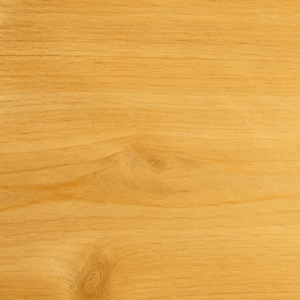
Yellow Cedar
Light, durable and sophisticated in character

Fine-grained Oregon pine
Heavily grained wood with a warm look

Abachi
Lightweight wood with natural elegance

Iroko
Strong tropical hardwood for timeless applications


Robinia
Natural trunk with exceptional durability
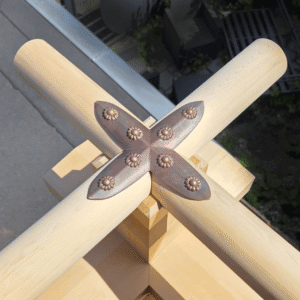
Traditional furniture hardware
Authentic details in craftsmanship
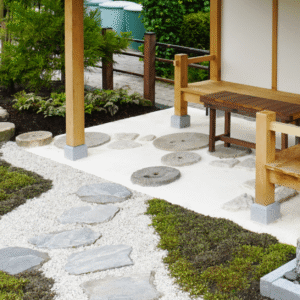
Architectural stonework
Natural power, carefully crafted
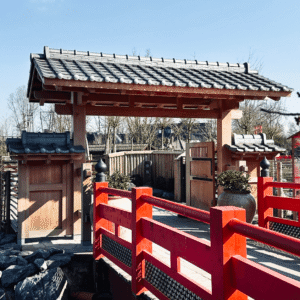
Authentic Kawara Roof Tiles
Traditional Japanese beauty and character
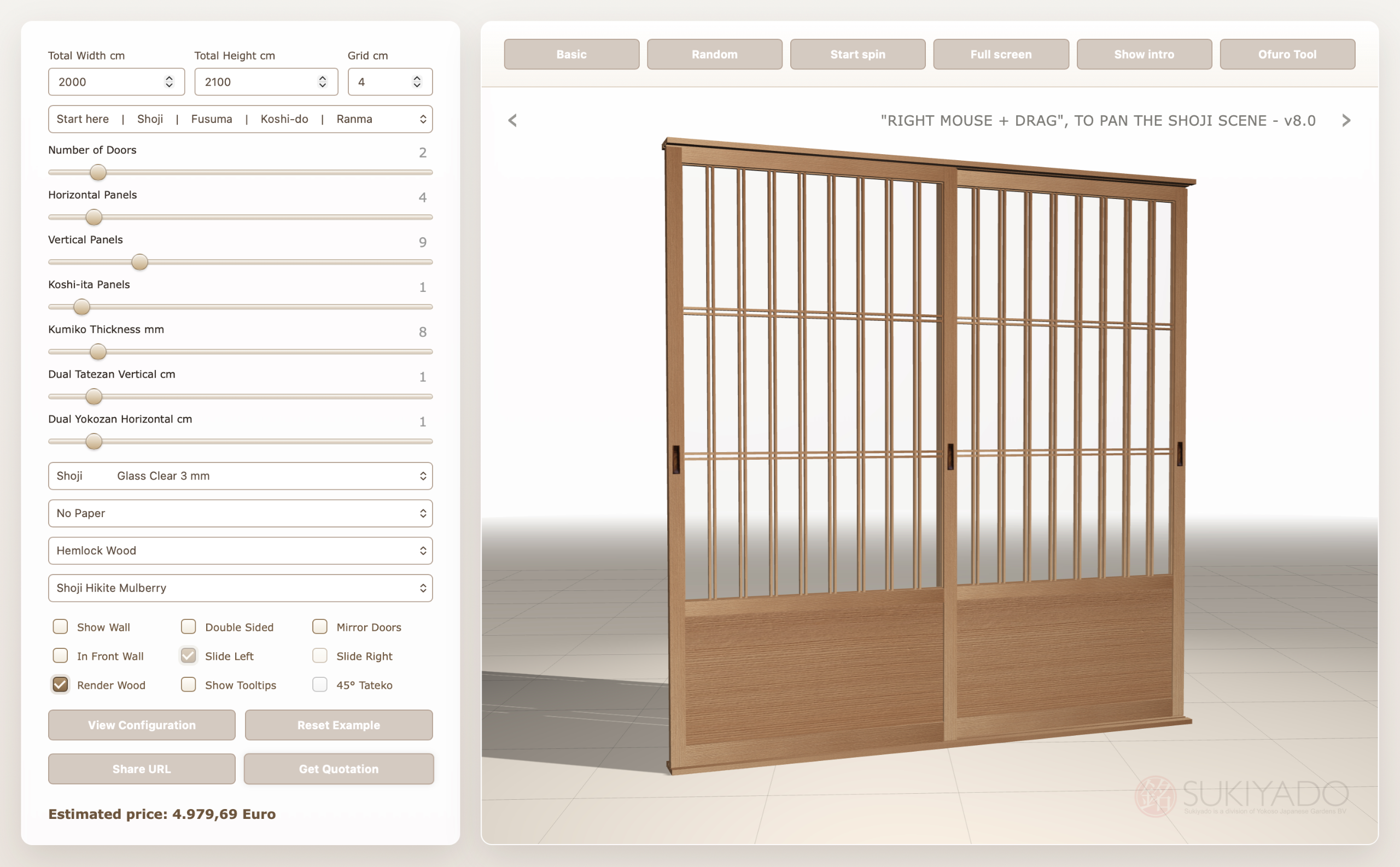
Japanese Shoji sliding door configurator
Easily design your own Japanese Shoji sliding door with our user-friendly configurator. Customize dimensions, materials, and finishes to your exact preferences for a perfectly fitting result in your interior.
- Fully custom design
- Immediate price indication
- Infinite design flexibility
- Premium material selection
- Professional-grade output
- Pure Japanese craftsmanship
The process of Japanese woodwork by Yokoso
You determine the direction
A successful woodworking project always starts with a clear understanding of your wishes and expectations. That is why we take the time to listen to how you want to use the space, which atmosphere appeals to you, and what role the woodwork will play within your living environment.
Your ideas form the starting point for the design, in which composition, proportions, material selection, and technical support are carefully coordinated for the ultimate result.
Throughout the entire project, we will keep you well-informed and closely involved. From the initial visualization to completion, we work towards Japanese woodwork that not only looks beautiful, but also feels as authentic as possible and forms a sustainable part of your living space.
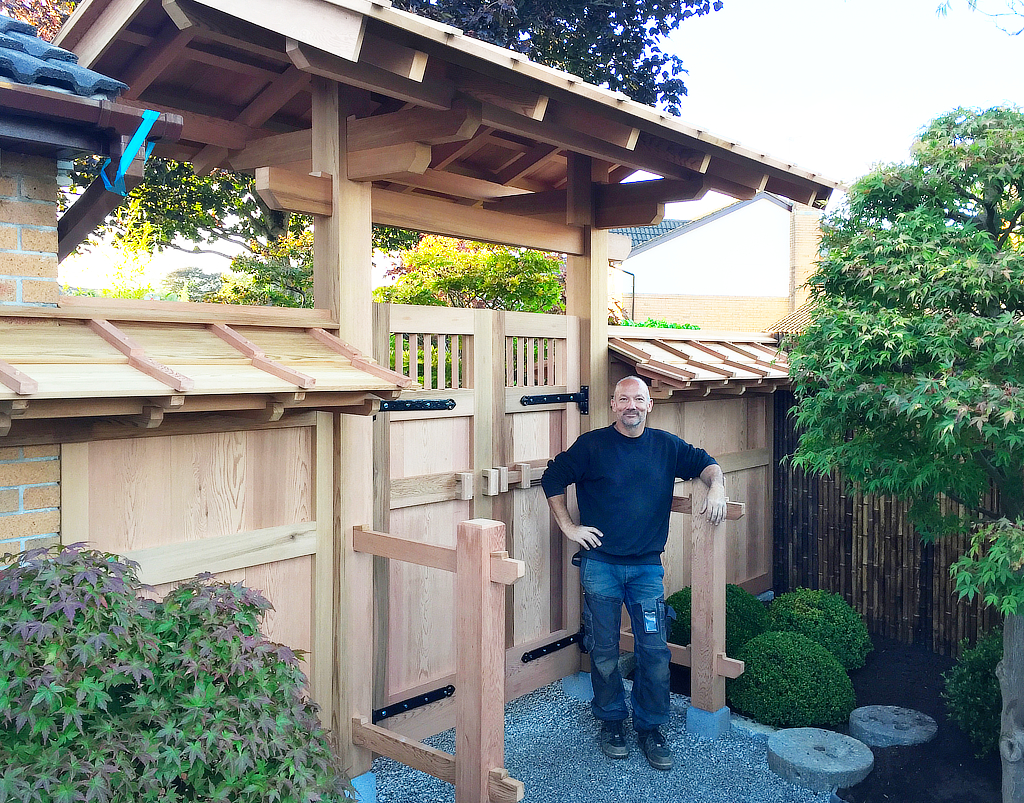
1Introduction & Briefing
During an on-site appointment, we will discuss your wishes, the available space, and the aesthetic you have in mind.23D visualization
We translate the initial ideas into a clear 3D visualization, allowing you to experience the design beforehand.3 Presentation of drawings
We present the design, discuss the material choices, and meticulously work out all the technical details of every component.4Construction in the workshop
In our own workshop, we carefully prepare the woodwork and prefabricate the various components.5On-site installation
Our professionals install and assemble the woodwork on location, with attention to finishing, stability, and harmony with the garden.
Reviews


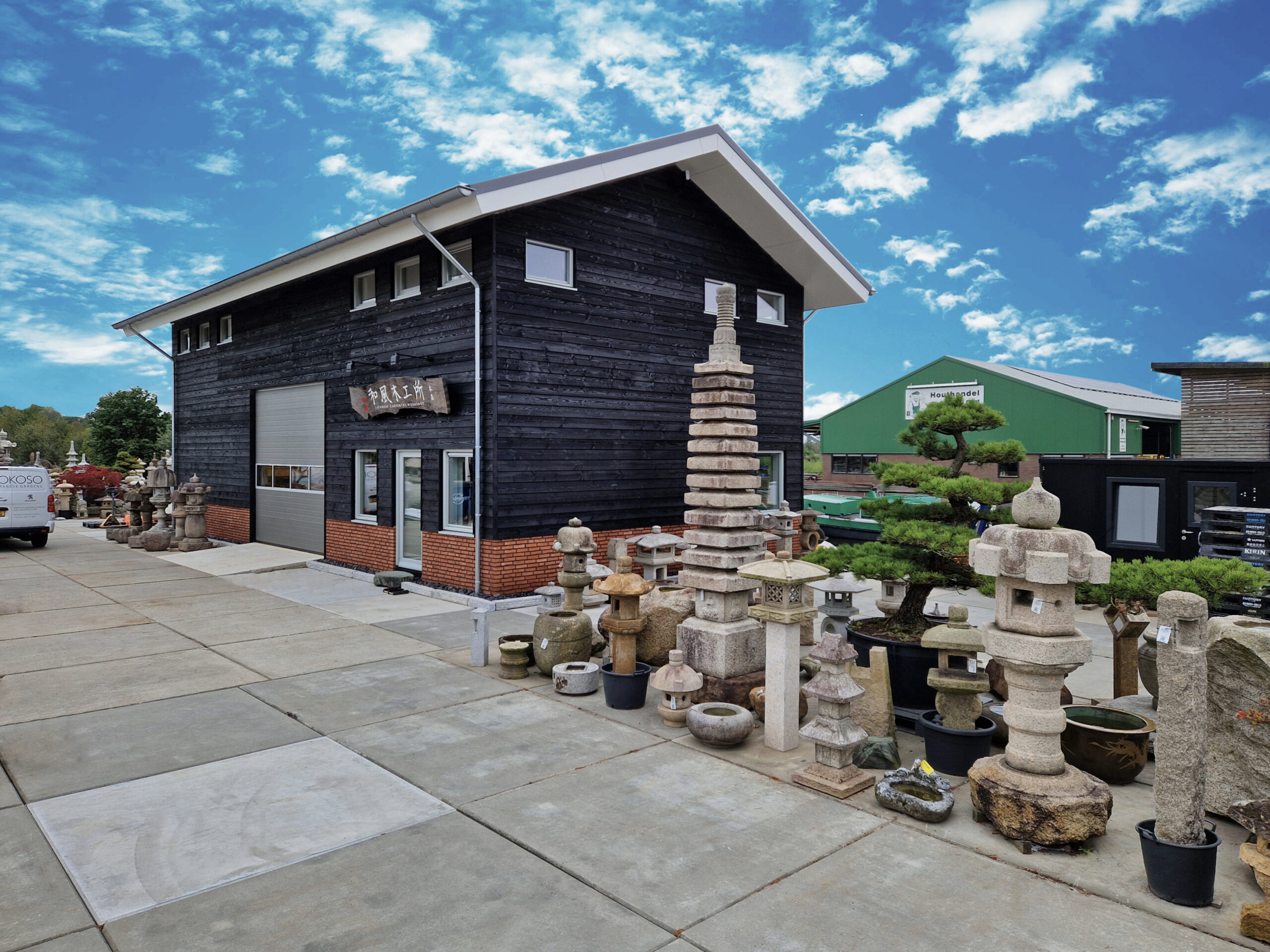
Visit us
Workshop and design studio in Boskoop
Walk through our showroom and see, feel, and compare the materials that will go into your garden, from stone lanterns to hand-carved woodwork.
- Address: Omloop 1, 2771 NL Boskoop, Netherlands
- Open Monday to Friday 10:00–17:00, Saturday by appointment
- By appointment: personal advice and material selection
Frequently Asked Questions
Questions about our custom-made Japanese woodwork
Apan's woodwork is distinguished by refined proportions, strong attention to detail, and a special connection between construction, material, and environment. At Yokoso Japanese Gardens, we combine traditional Japanese design with high-quality custom craftsmanship. The result is woodwork that is not only functional, but also forms an essential part of the Japanese atmosphere and architecture.
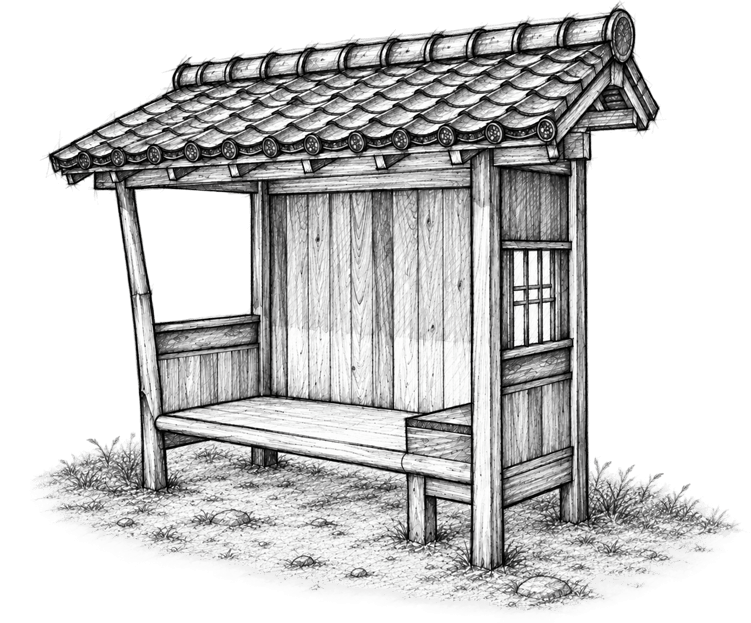
We create various forms of Japanese woodwork, including garden houses, gates, Koshikaki Machiai benches, verandas, fencing, and various architectural details. We can also develop a suitable design for special custom-made objects or wooden structures within an existing Japanese garden.
Yes. Virtually all of our Japanese woodwork is specifically designed for the location and the client's wishes. In doing so, we look at factors such as dimensions, application, architecture, sightlines, use of materials, and the relationship with the surrounding garden. This creates a design that truly becomes a part of the environment.
Yes. Where possible, we always apply traditional Japanese principles, construction methods, and wood joinery. We regularly combine these with modern architectural knowledge and techniques when necessary for durability, safety, and application within the Dutch and European climate. This way, we preserve the authentic character without compromising on practical quality.
The wood type is chosen based on the design, application, and desired appearance. We work with high-quality, sustainable wood species that are suitable for fine woodwork and exterior applications, among others. For every project, we advise which wood type is most technically and aesthetically suitable.
A large part of the specialist woodwork is prepared and manufactured in our workshop. This allows joints, dimensions, and detailing to be executed and inspected with great precision. Depending on the construction, the woodwork is partially or fully prefabricated and then assembled and finished on site.
We begin by discussing the requirements, the function of the woodwork, and the on-site situation. Next, we develop a suitable design and determine materials, detailing, and construction. Upon approval, the woodwork is crafted in our workshop. Afterward, our craftsmen handle the installation and finishing on-site. For projects where the woodwork is part of a complete Japanese garden, we coordinate both elements from the start to achieve the most exceptional result.
Normally everything is custom made and prepared in our workshop, which greatly reduces the required time on location. But the actual lead time depends on the scope, complexity, and detailing of the project. A relatively compact construction naturally requires less time than, for example, a completely custom-made Japanese gazebo or teahouse. After the design, we can provide a realistic schedule for both production and assembly.
Because every project is different, we do not work with a single fixed price for Japanese woodwork. The costs are determined by factors such as dimensions, wood type, construction, detailing, finishing, and assembly. Based on your wishes, we can put together a design and a suitable quotation.
Yes. For exterior woodwork, we take the Dutch climate into account from the design stage onwards. Material selection, detailing, ventilation, water drainage, and wood protection play an important role in this. Traditional Japanese design principles are adapted to local weather conditions where necessary, ensuring the woodwork remains visually appealing and structurally reliable for the long term.
The required maintenance depends on the type of wood used and the chosen finish. Some wood species can weather naturally, while others can be treated periodically with a suitable oil or protective finish. In addition, we recommend inspecting the woodwork regularly and keeping it free from prolonged moisture, dirt, and organic material. Upon delivery, we can advise on the maintenance that specifically suits your project.
Certainly. This is precisely one of the strengths of Yokoso Japanese Gardens. We can integrate the woodwork into a complete Japanese garden starting from the design phase. As a result, architecture, planting, stones, water features, paths, and wooden structures can be designed as one cohesive whole. This ensures a much more natural and authentic end result than if these components were developed separately.
Authentic Japanese woodwork always begins with a good conversation.
Get in touch and discover what we can do for you.
 Nederlands
 English
 Deutsch (Sie)
 Français
 Español
 Polski
 Čeština
 Italiano