

Kojima Stone Bridge, Japanese Stone Bridge
1 op voorraad
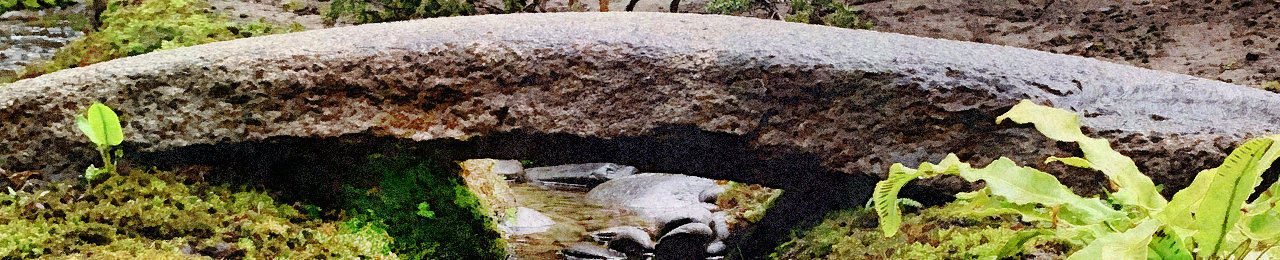
Since the Heian period (794-1185), the bridge has evolved into a very significant part of the traditional Japanese garden. The philosophy behind the garden bridge is that it symbolizes the connection between mortal life and the afterlife.
Specifications
- OriginNagoya, Aichi Prefecture, Japan
- MaterialShirakawa stone
- AgeShōwa period (1926–1989)
- Condition assessment
- Dimensions215 x 50 x 35 cm
- Weight500-750 kg
Product information
Since the Heian period (794-1185), the bridge has evolved into a highly significant element of the traditional Japanese garden. The philosophy behind the garden bridge is that it symbolizes the connection between mortal life and the afterlife. It enables people to detach themselves from worldly burdens and experience inner peace, purity, and unity with nature.
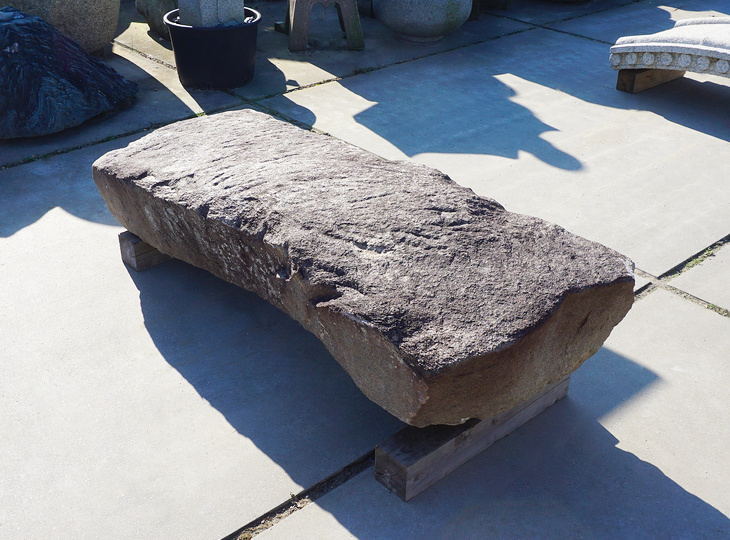
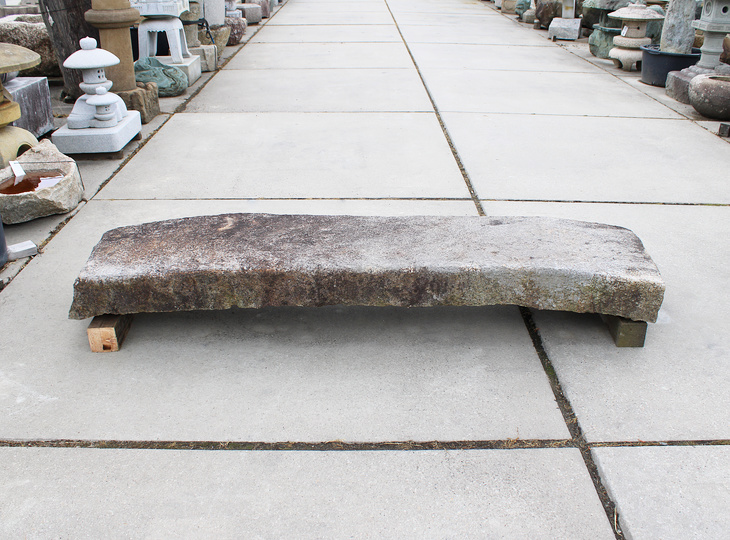
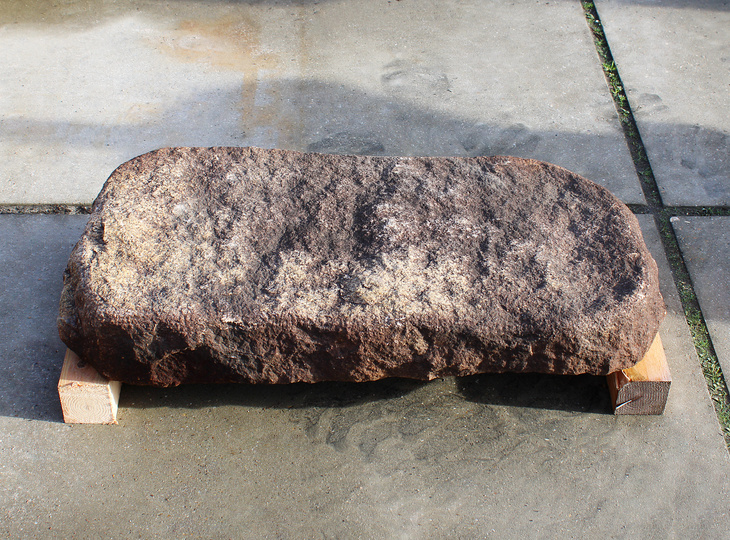
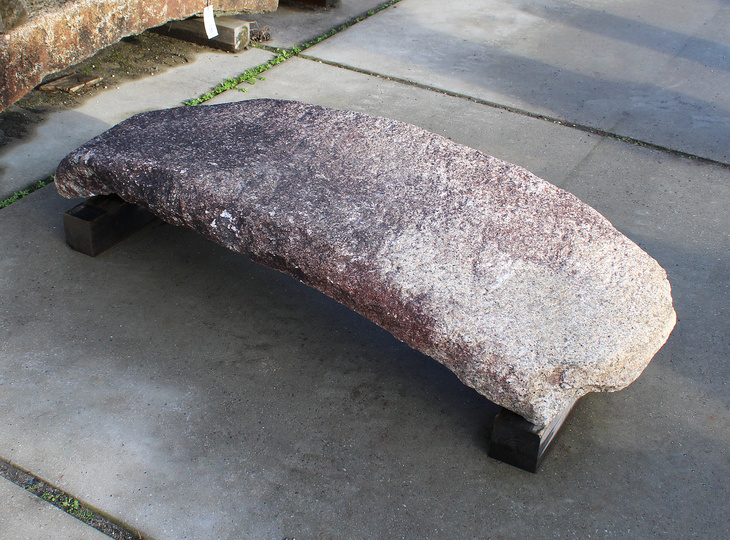
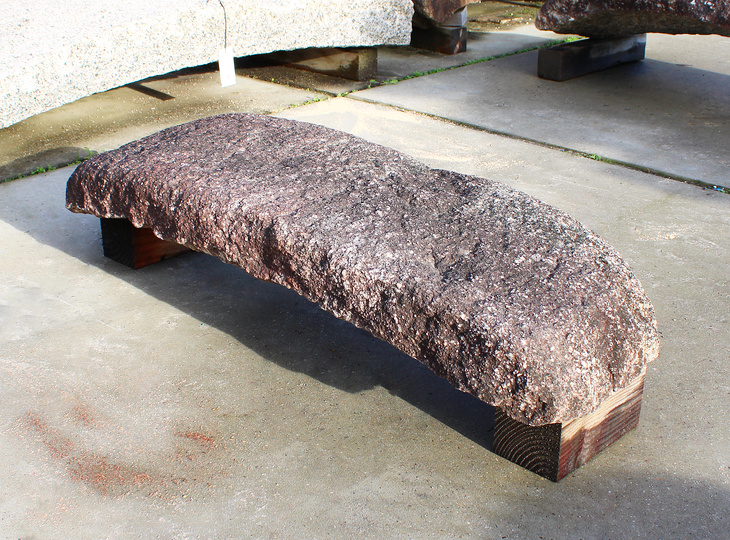
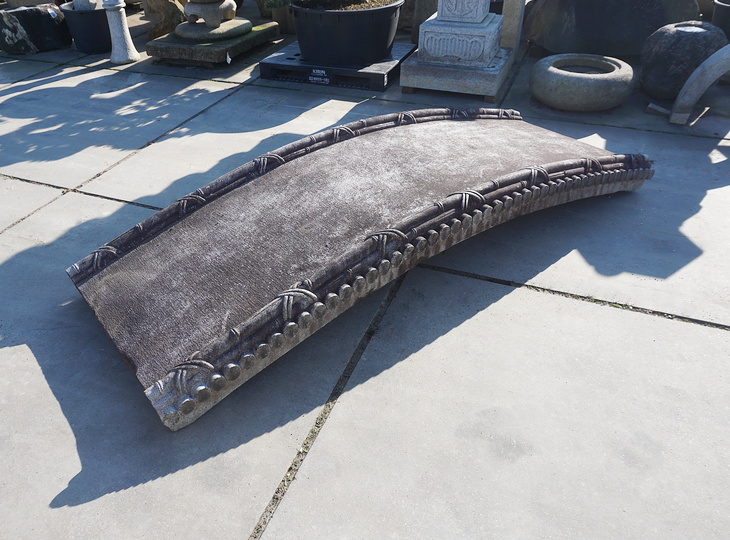
This stone bridge is handmade from Shirakawa stone. It fits perfectly into any garden and can be placed over winding streams, hollows, or even the dry riverbeds of pebbles known from the Karesansui gardens. The bridge can purely serve as an aesthetic element, but of course it can also be put to actual use.
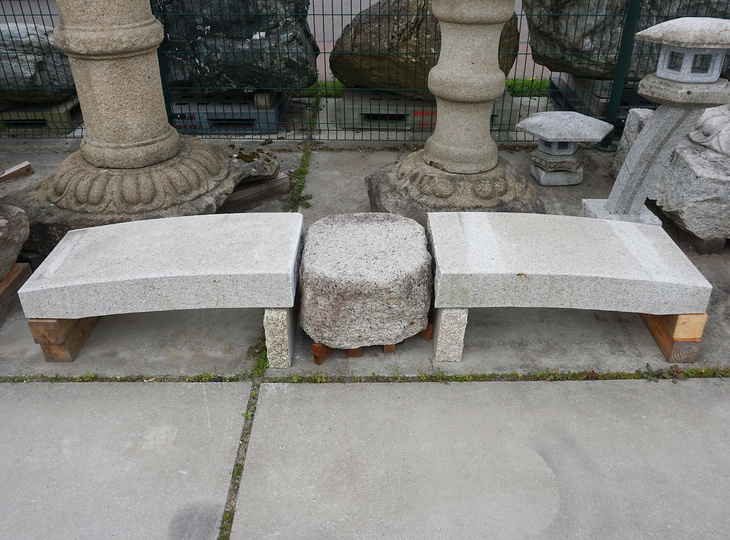
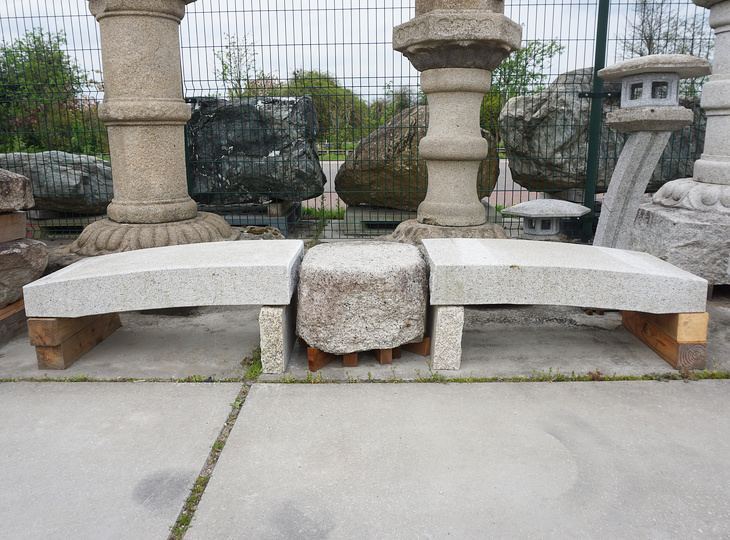
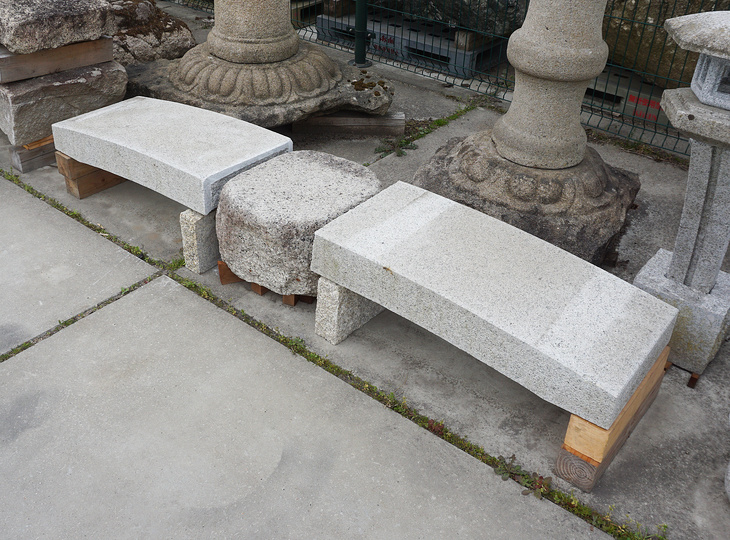
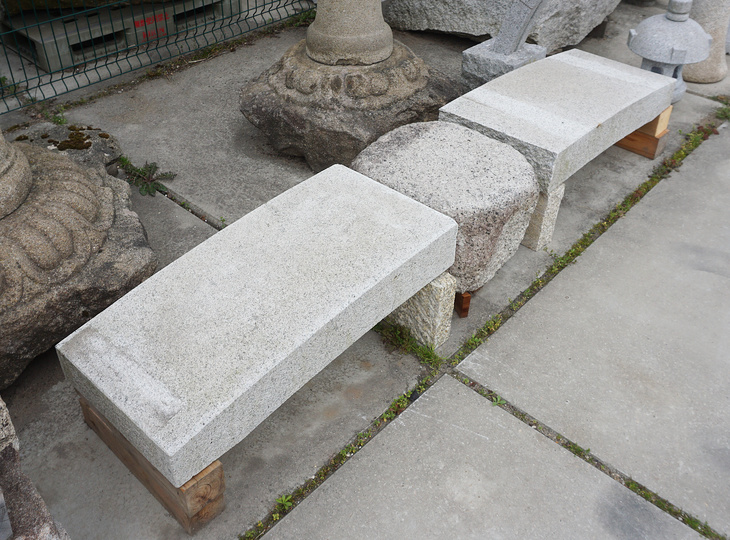
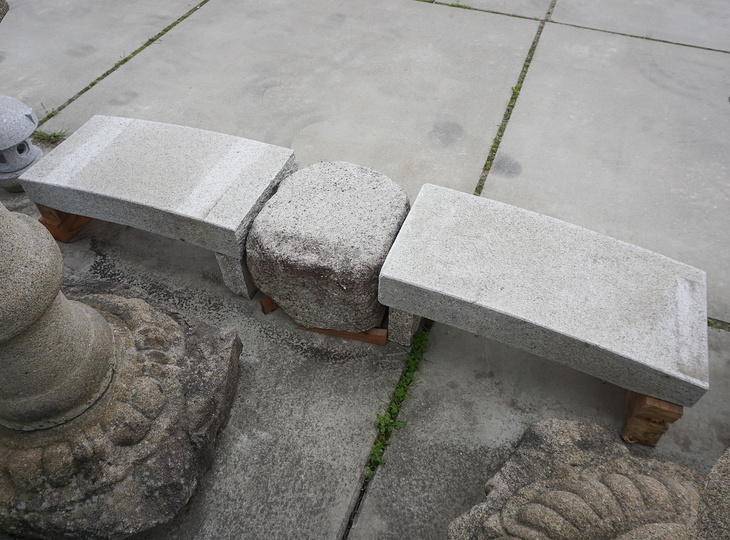
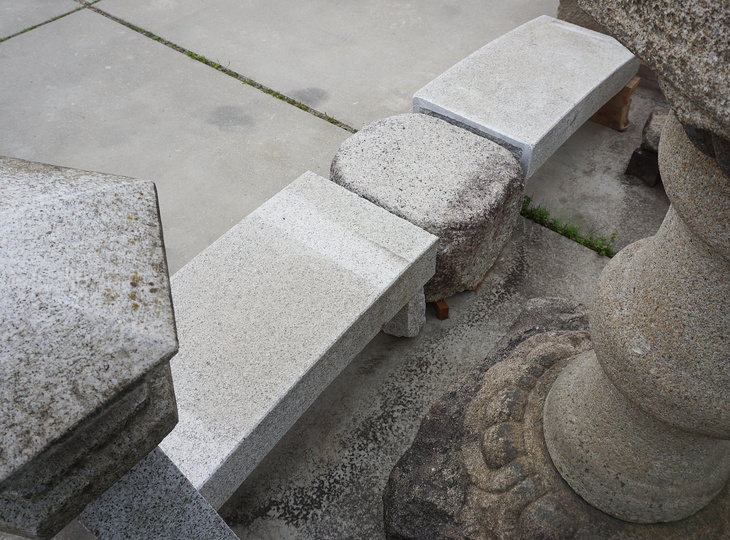
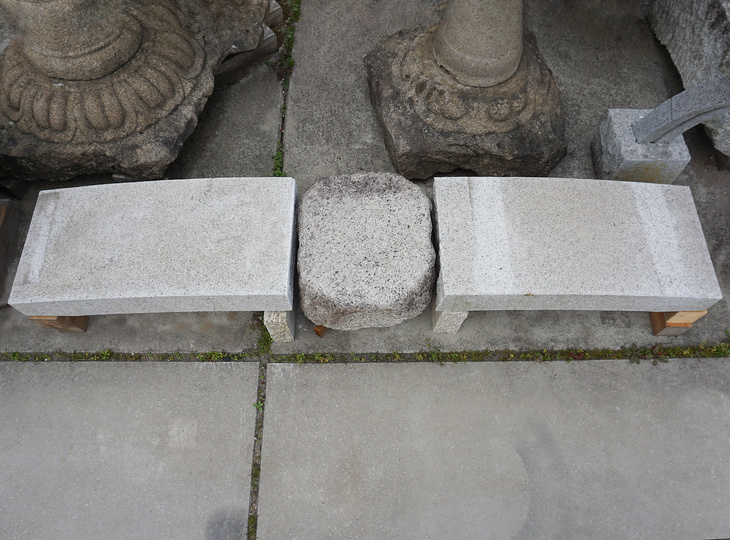
This specific bridge has two parts that are connected together by a large stepping stone in the middle that functions as a kind of safe island. This is where the name Kojima (小島) comes from, the Japanese word for: Small island.
 Nederlands
 English
 Deutsch (Sie)
 Français
 Español
 Polski
 Čeština
 Italiano