

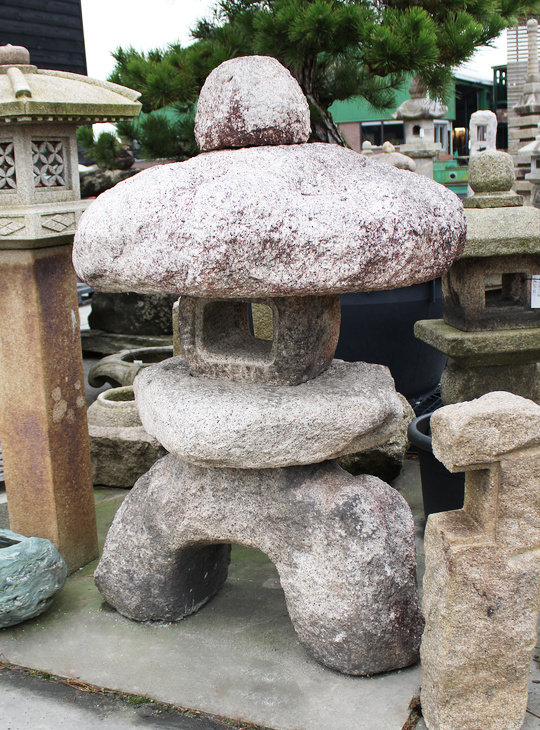
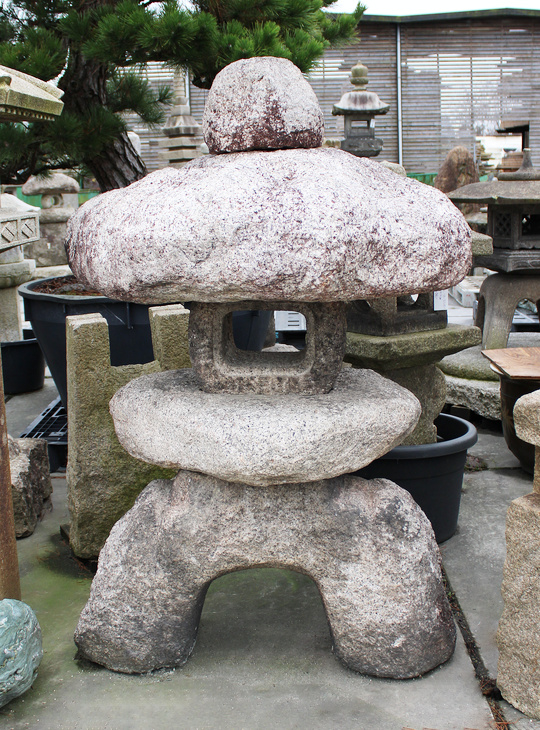
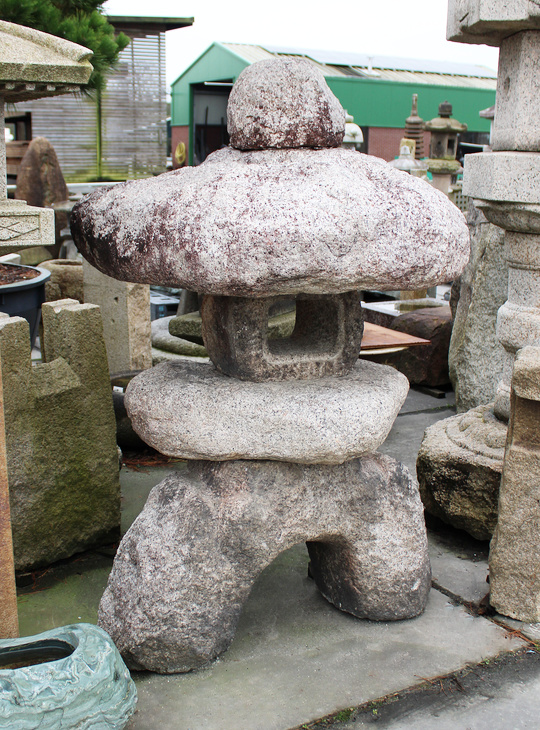
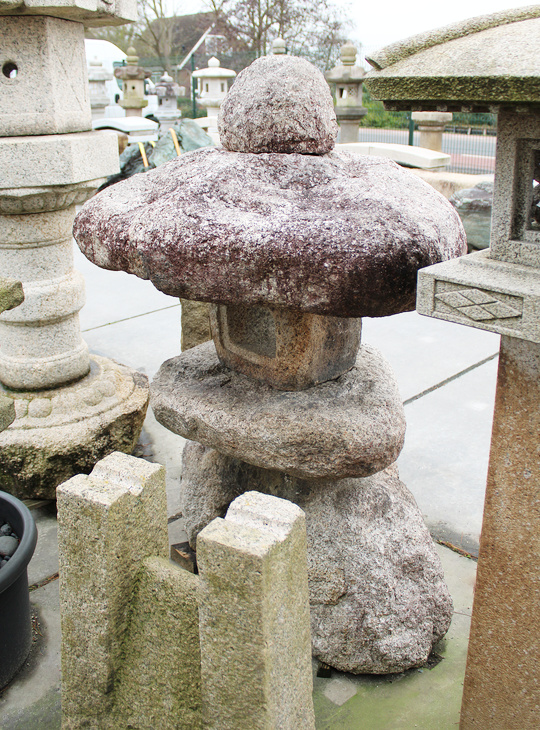
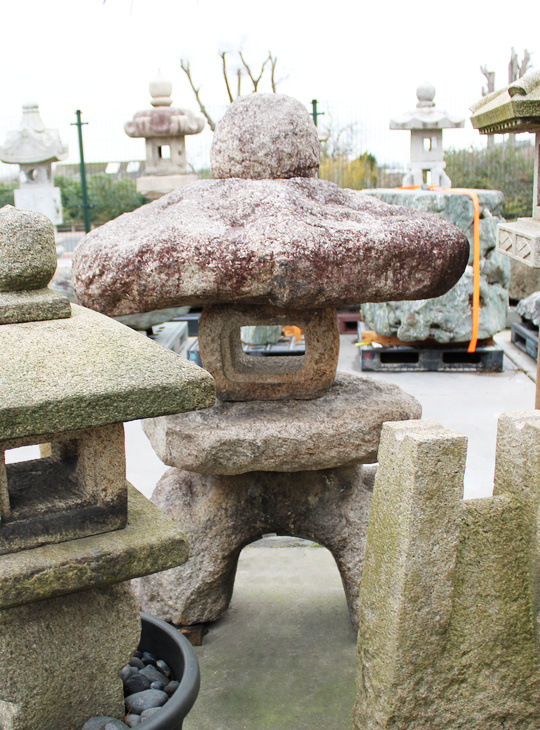
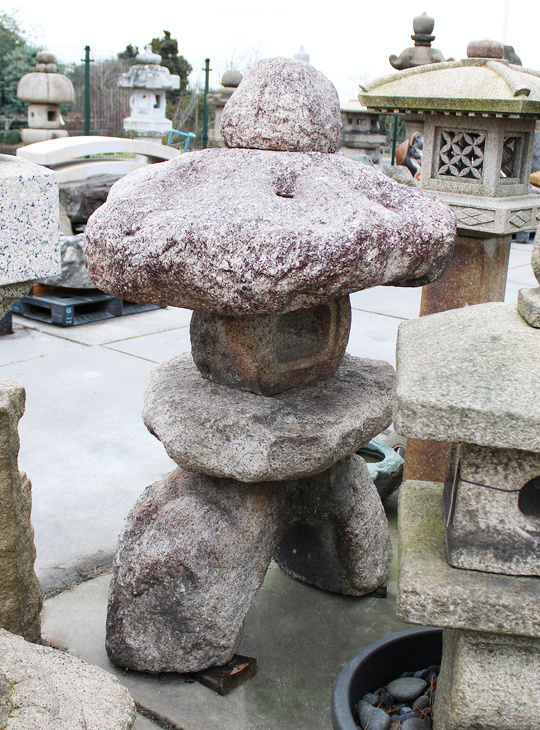
Komono Yamadoro, Japanese Stone Lantern
1 op voorraad
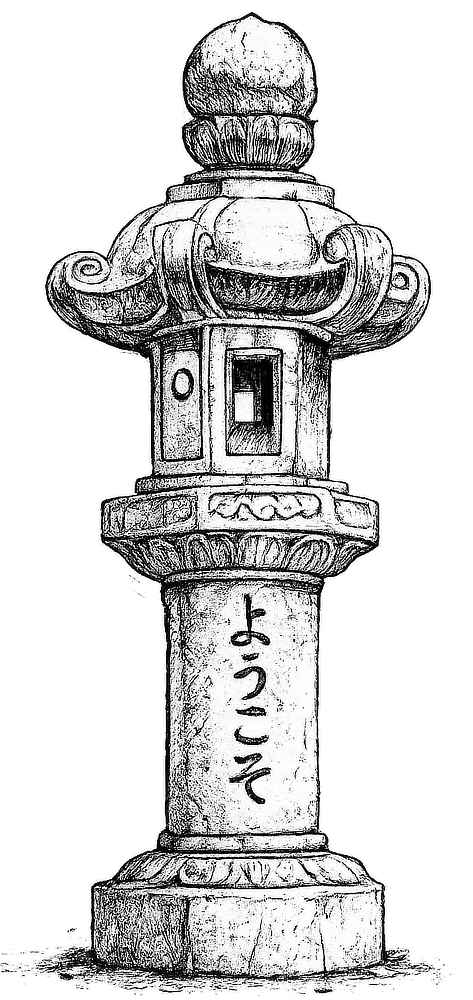
Stone lanterns, Ishidōrō (石灯籠) in Japanese, are undoubtedly the most characteristic part of traditional Japanese gardens. The phenomenon originated in China more than a thousand years ago, and from there it was also introduced into traditional Japanese culture via Korea.
Specifications
- OriginNagoya, Aichi Prefecture, Japan
- MaterialKomono stone (菰野石)
- AgeMeiji period (1868–1912)
- Condition assessment
- Dimensions96 x 96 x 148 cm
- Weight1000-1500 kg
Product information
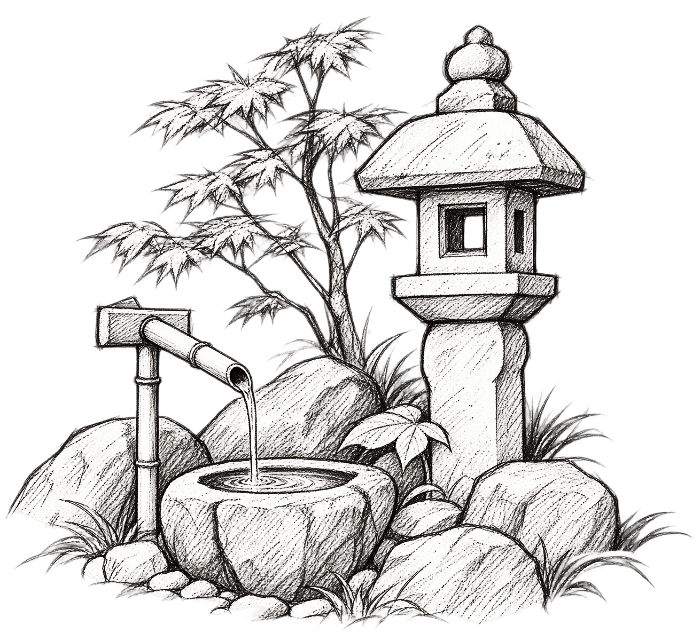
Stone lanterns, Ishidōrō (石灯籠) in Japanese, are undoubtedly the most characteristic part of traditional Japanese gardens. The phenomenon originated in China more than a thousand years ago, where it also became part of traditional Japanese culture via Korea. Every Japanese shrine, such as a Buddhist temple or Shinto shrine, uses stone lanterns as a sacred light source. During the 16th century, stone lanterns became very popular among Japanese tea masters and were used in tea gardens to illuminate the path to the tea house. Since then, one or more stone lanterns have always been found in almost every traditional Japanese garden.
A Japanese stone lantern consists of several separate parts that must be carefully stacked on top of each other. The resulting perfect balance makes the lantern a very sturdy and durable whole.
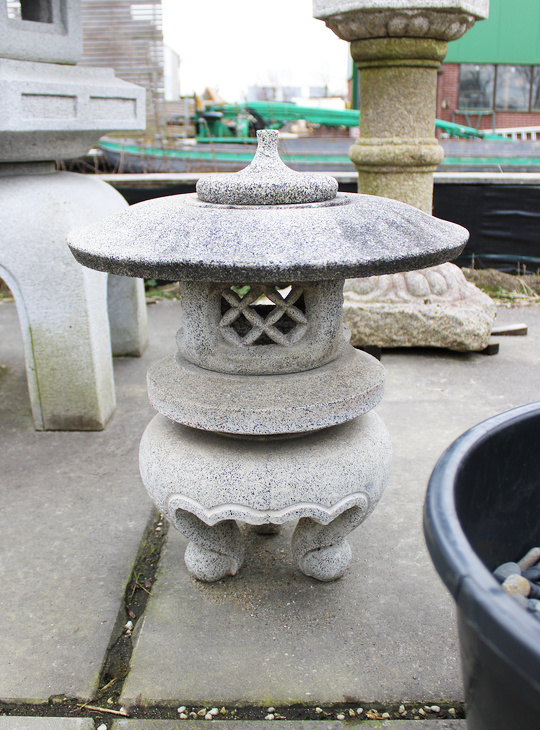
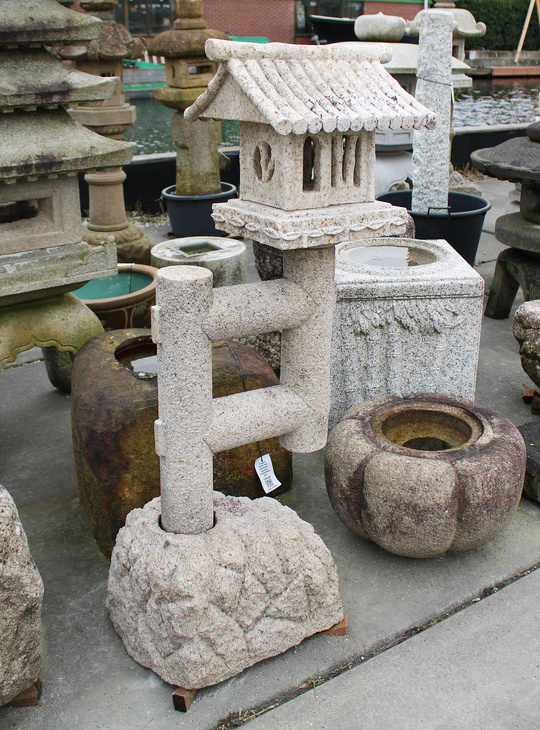
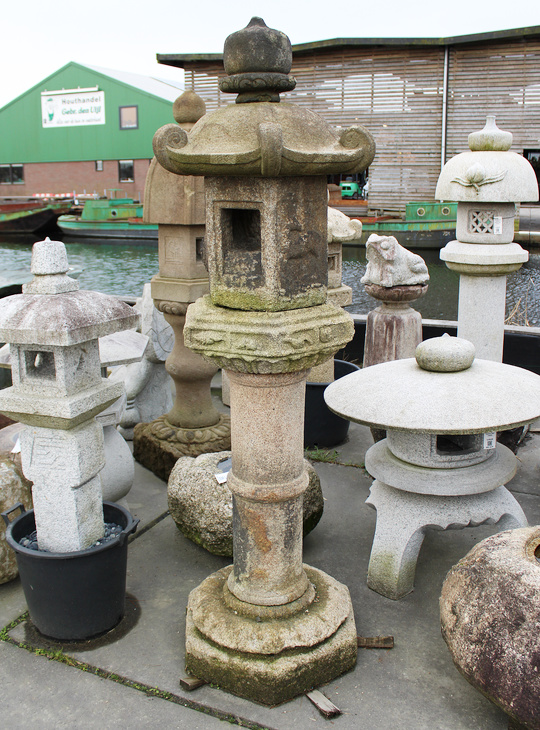
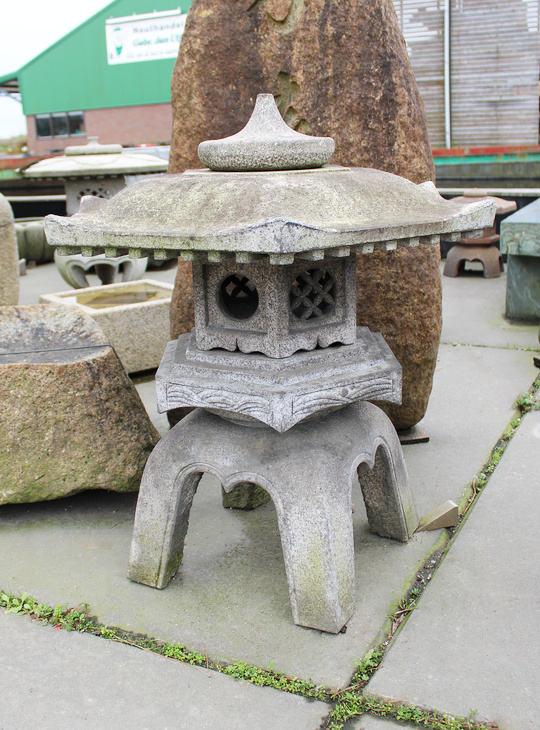
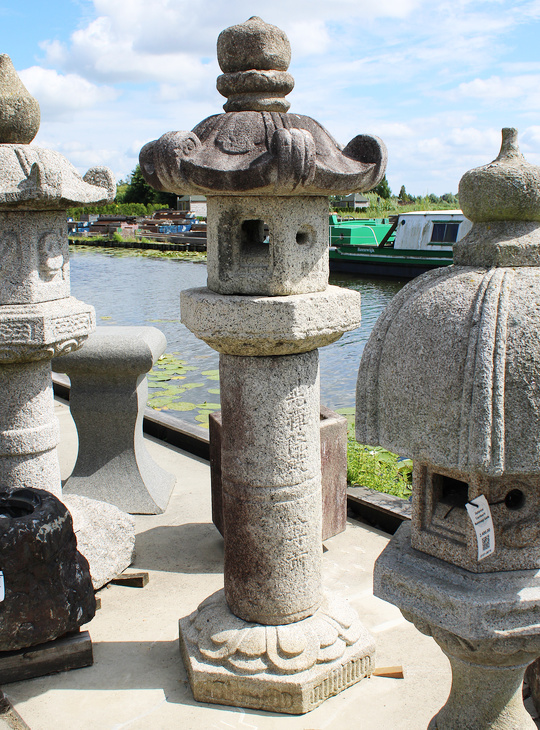
This unique rough stone lantern is known by two names: Yamadōrō (山灯籠), which means mountain lantern, and Nozura-dōrō (野面灯籠), which can be translated literally as a lantern made of rough stone. This characteristic type of lantern is mostly made of unpolished stone. This gives the lantern a natural and rustic appearance, making it perfectly suited for a garden or landscape. An important principle of traditional Japanese gardens is that it should mimic the true essence of nature. Something that a lantern like the Yamadōrō can contribute significantly to.
 Nederlands
 English
 Deutsch (Sie)
 Français
 Español
 Polski
 Čeština
 Italiano